the odeon ARCHIVES





CHALLENGE
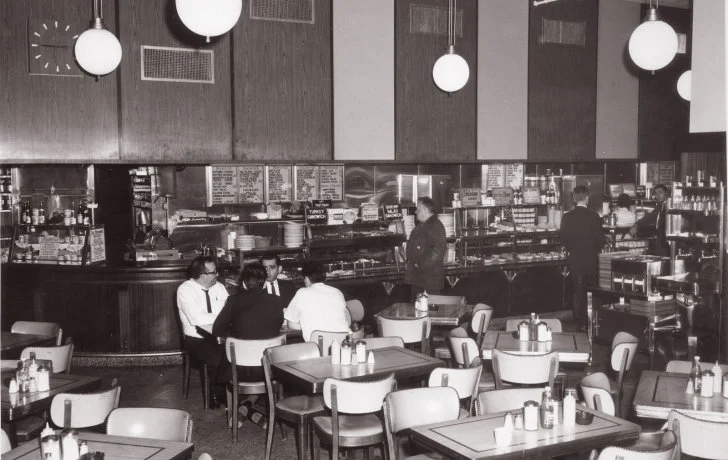
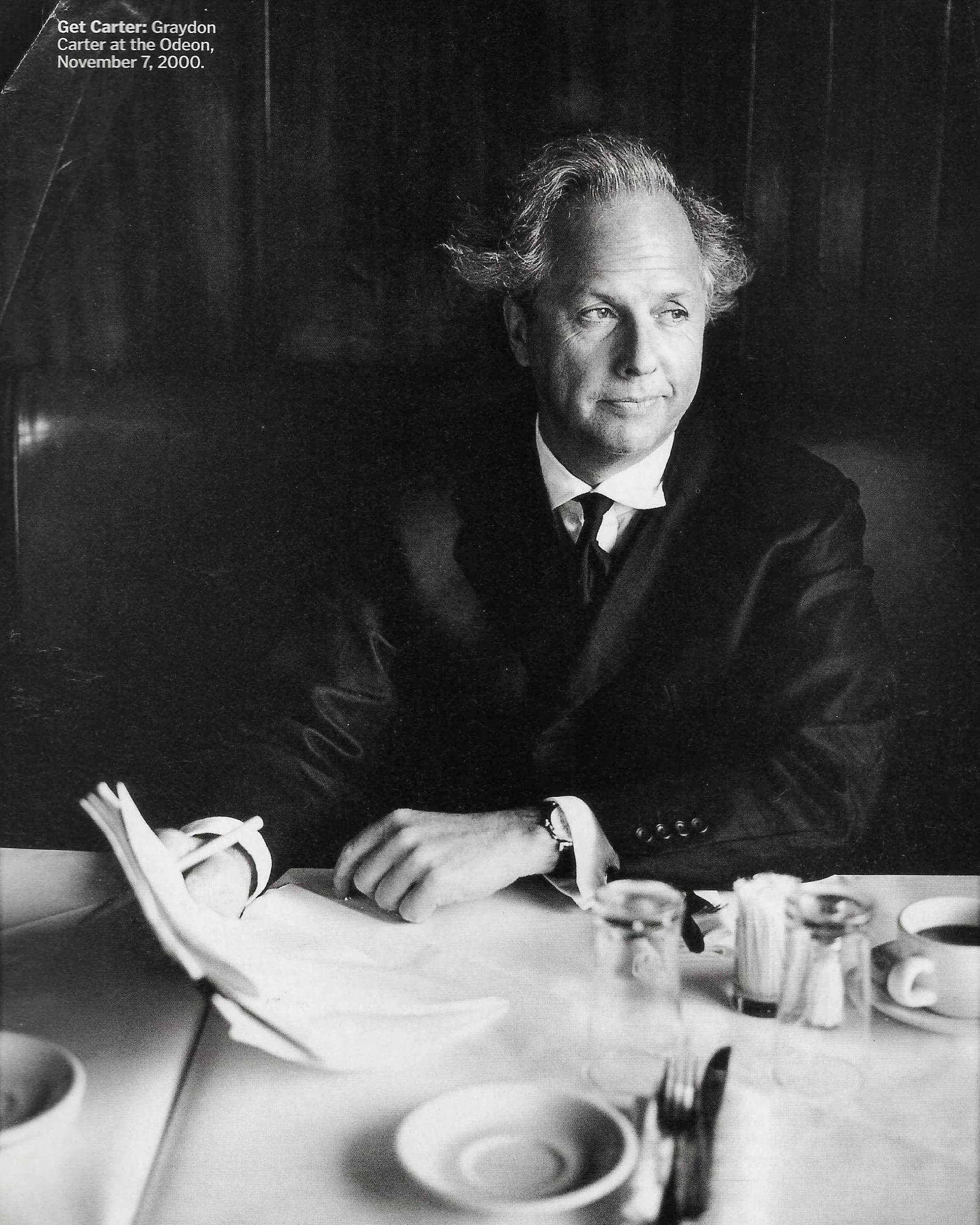
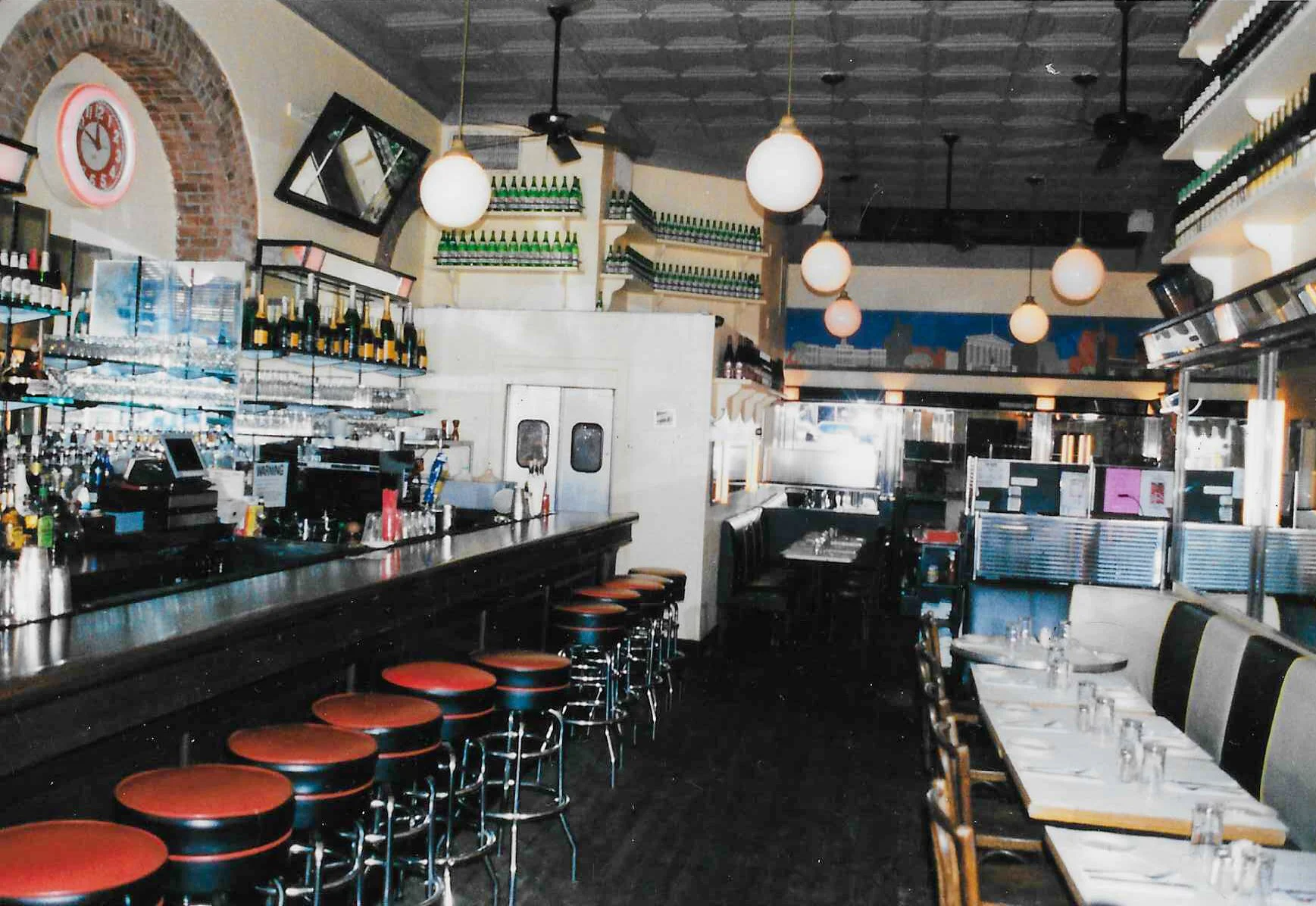
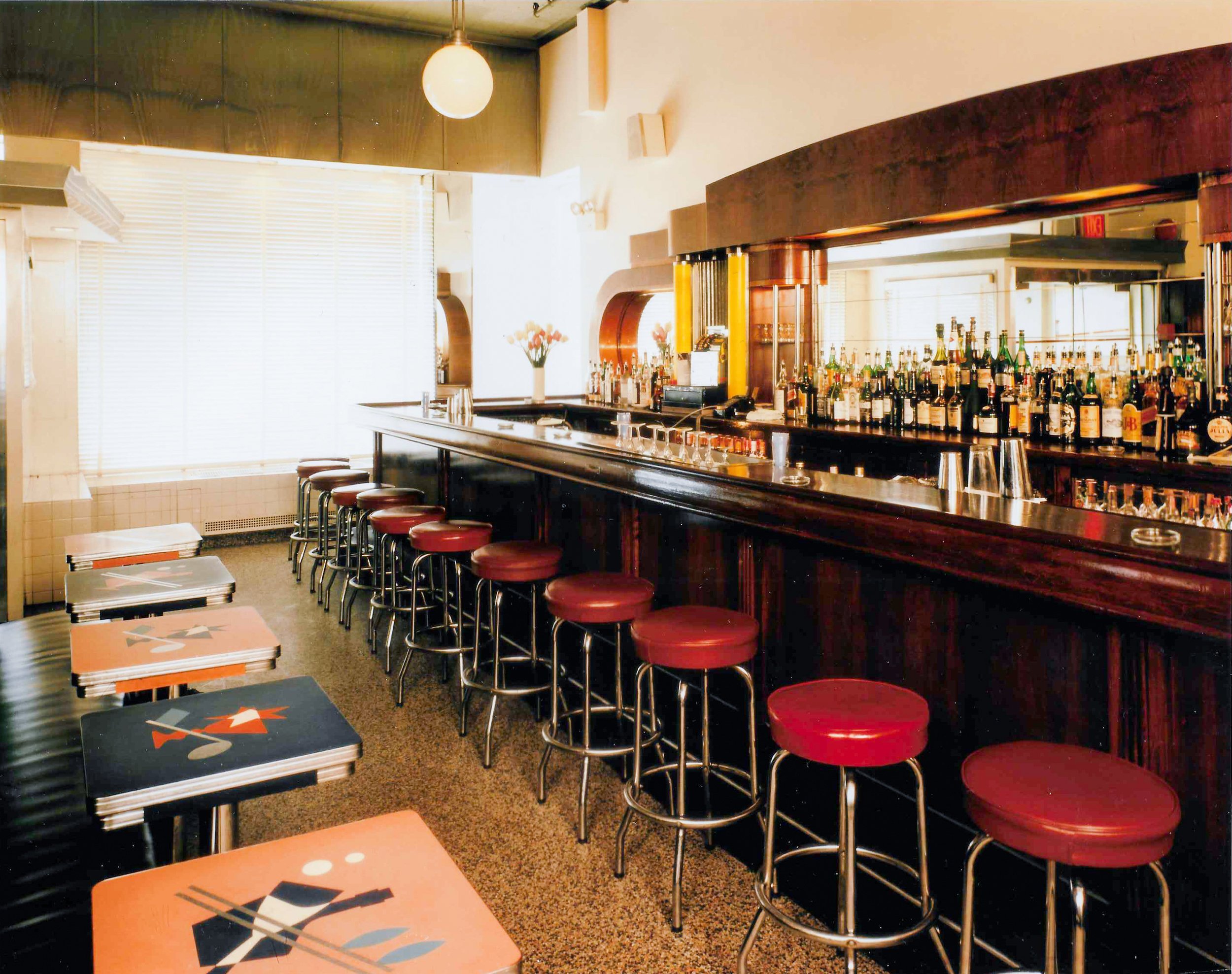
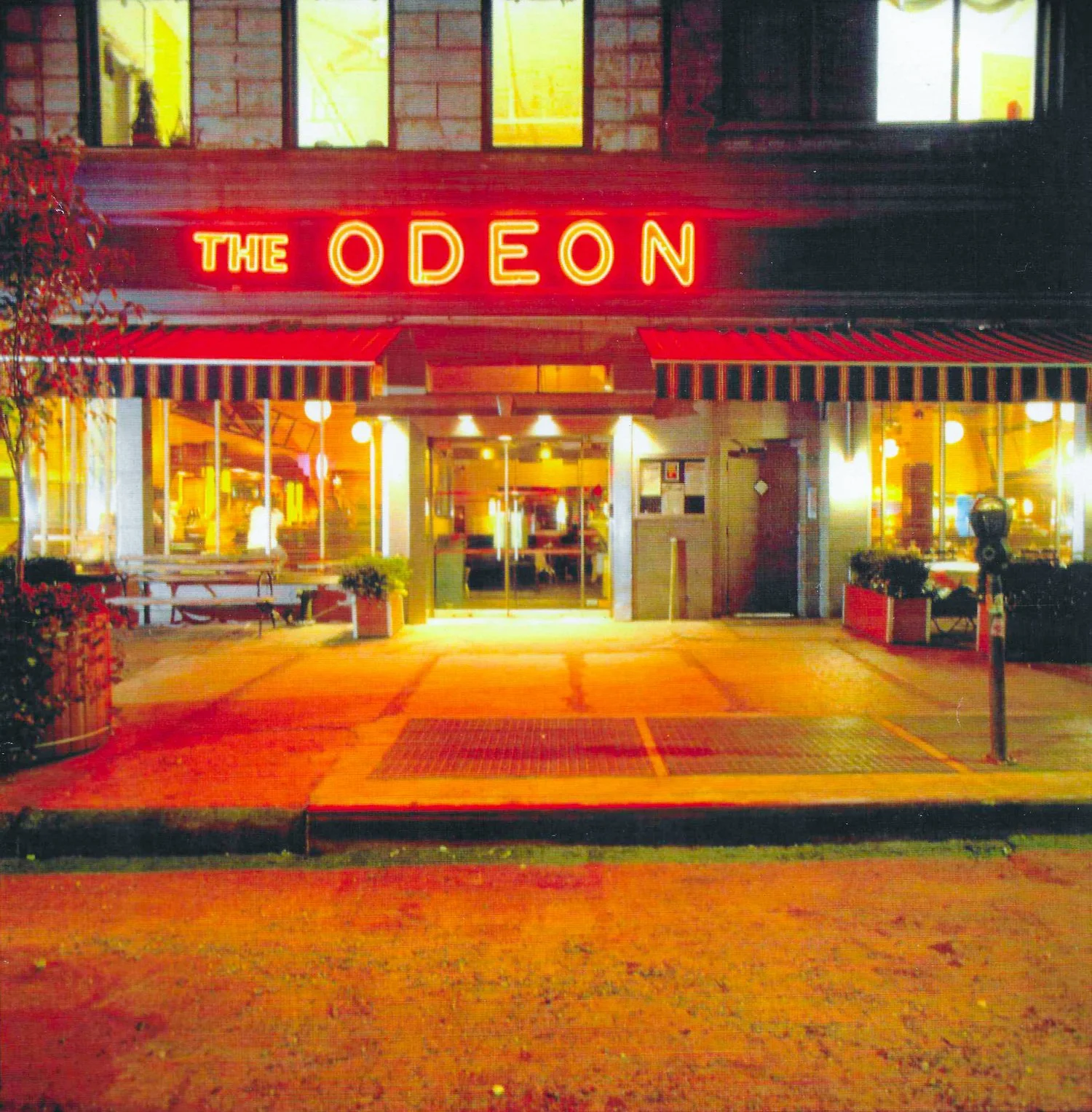
An enduring New York institution since 1978, The Odeon has long occupied a singular position at the intersection of culture, hospitality, and downtown mythology. Its reputation was never in question. Its relevance, however, required translation for a contemporary audience.
The mandate was twofold:
First, to modernize The Odeon’s digital presence across all guest-facing touchpoints — website, booking infrastructure, and social platforms — without diminishing the authority of a brand that has remained culturally resonant for decades.
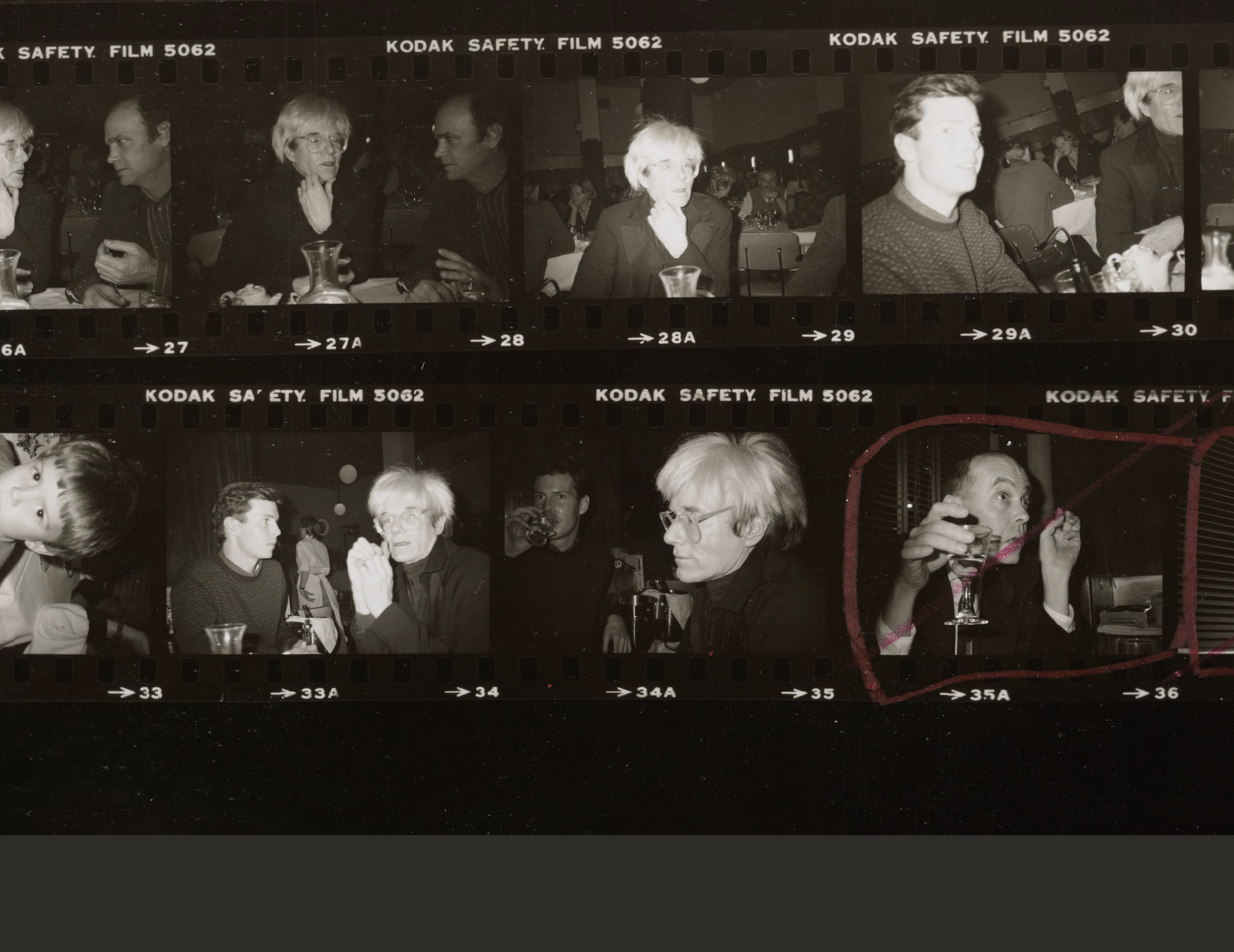
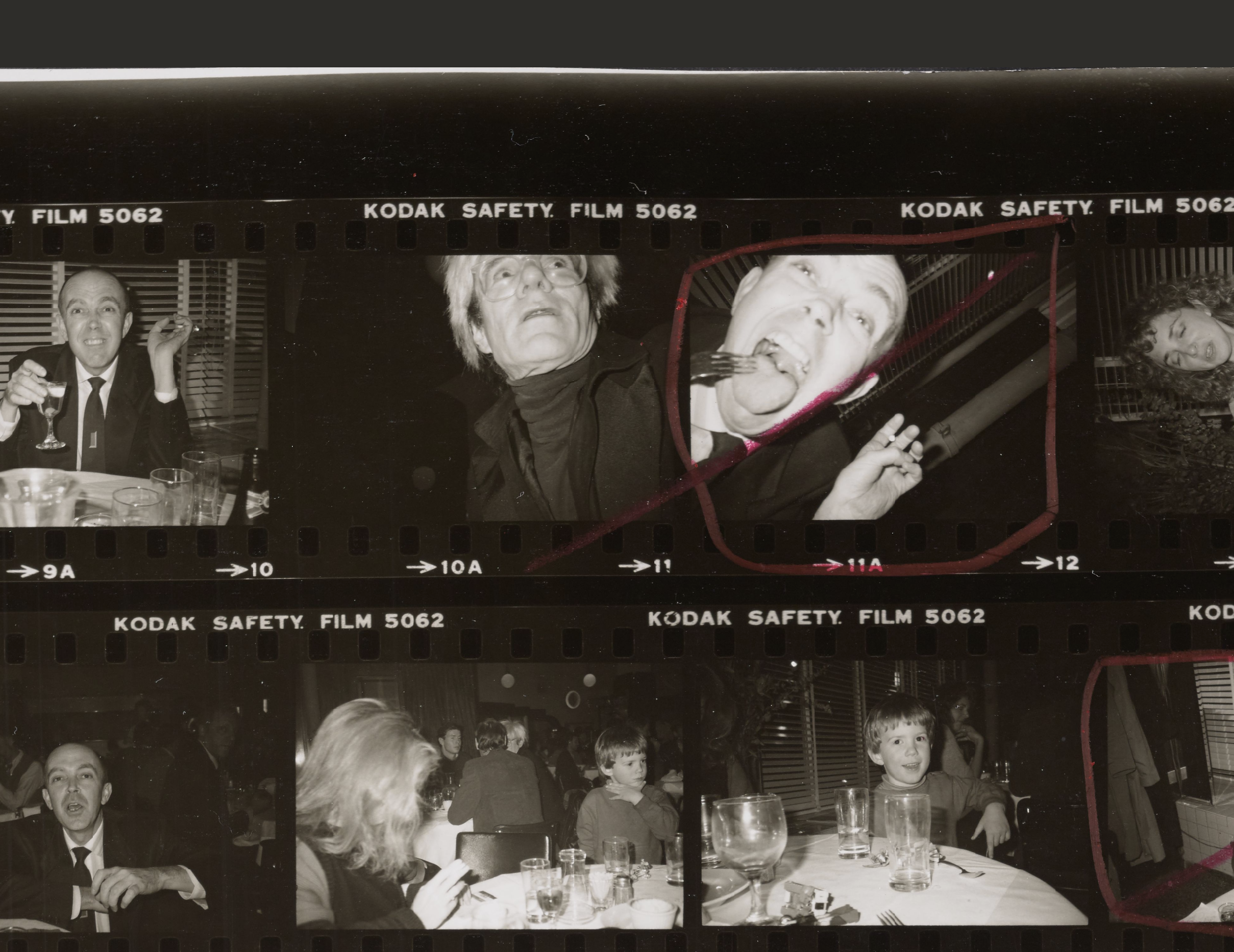
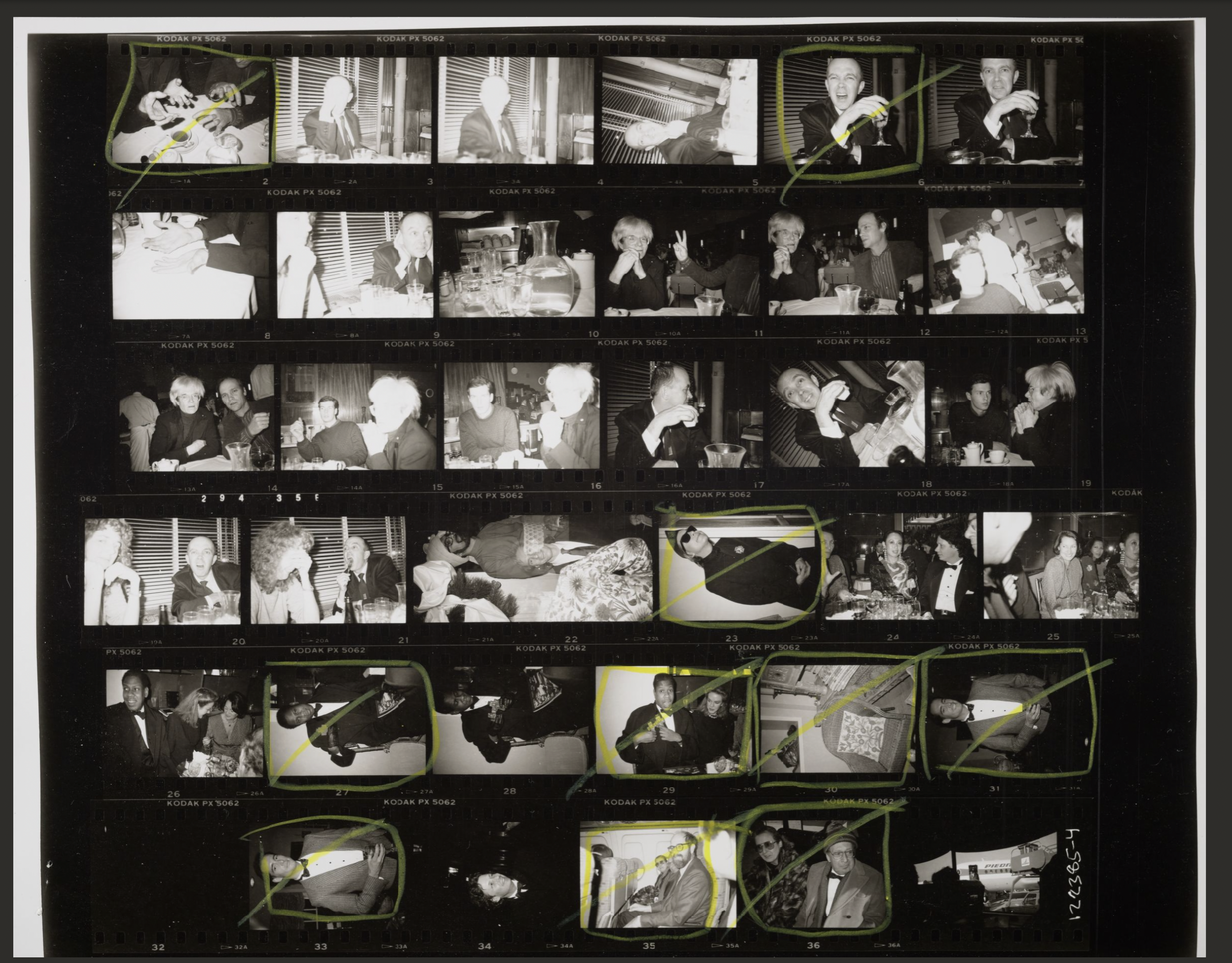
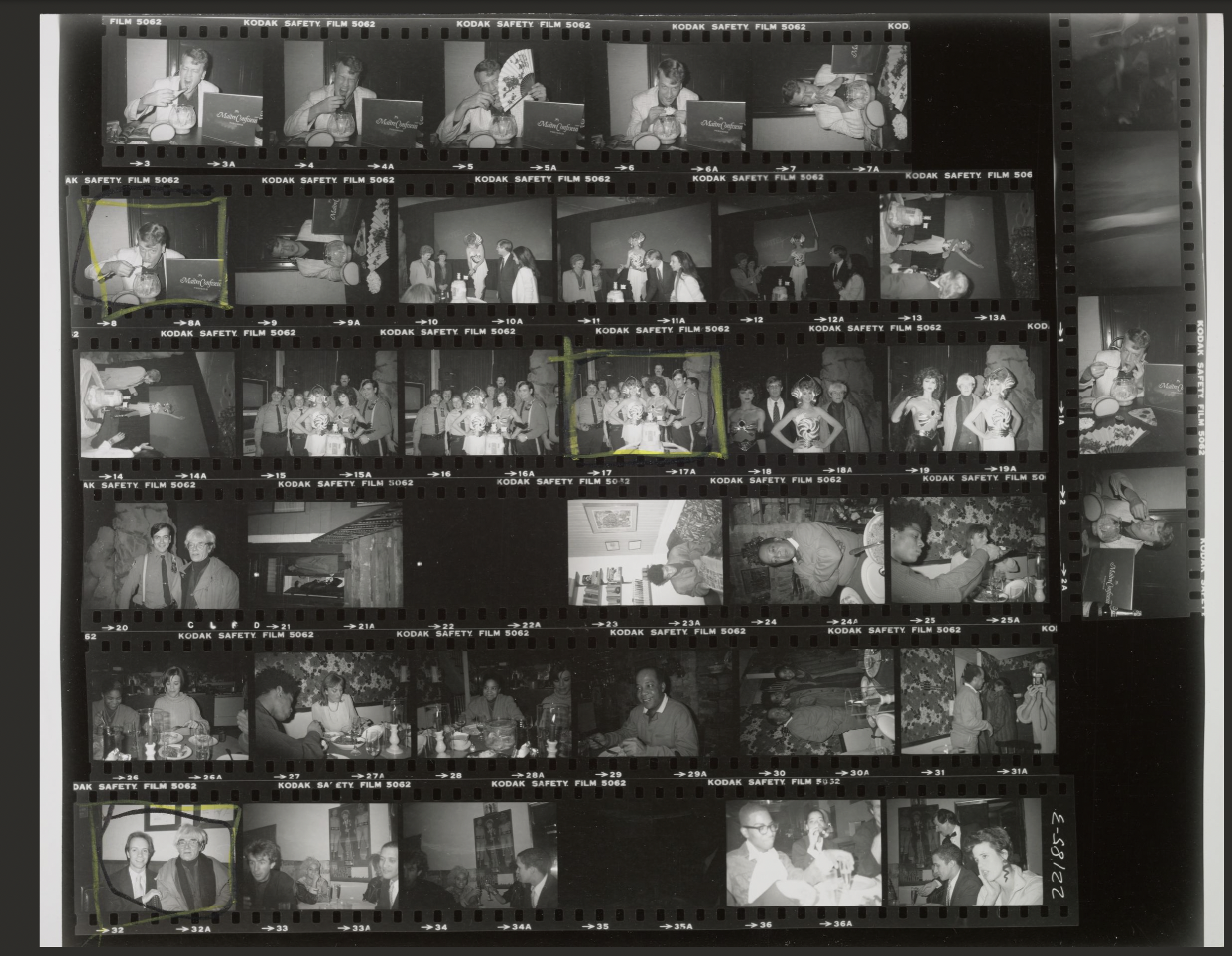
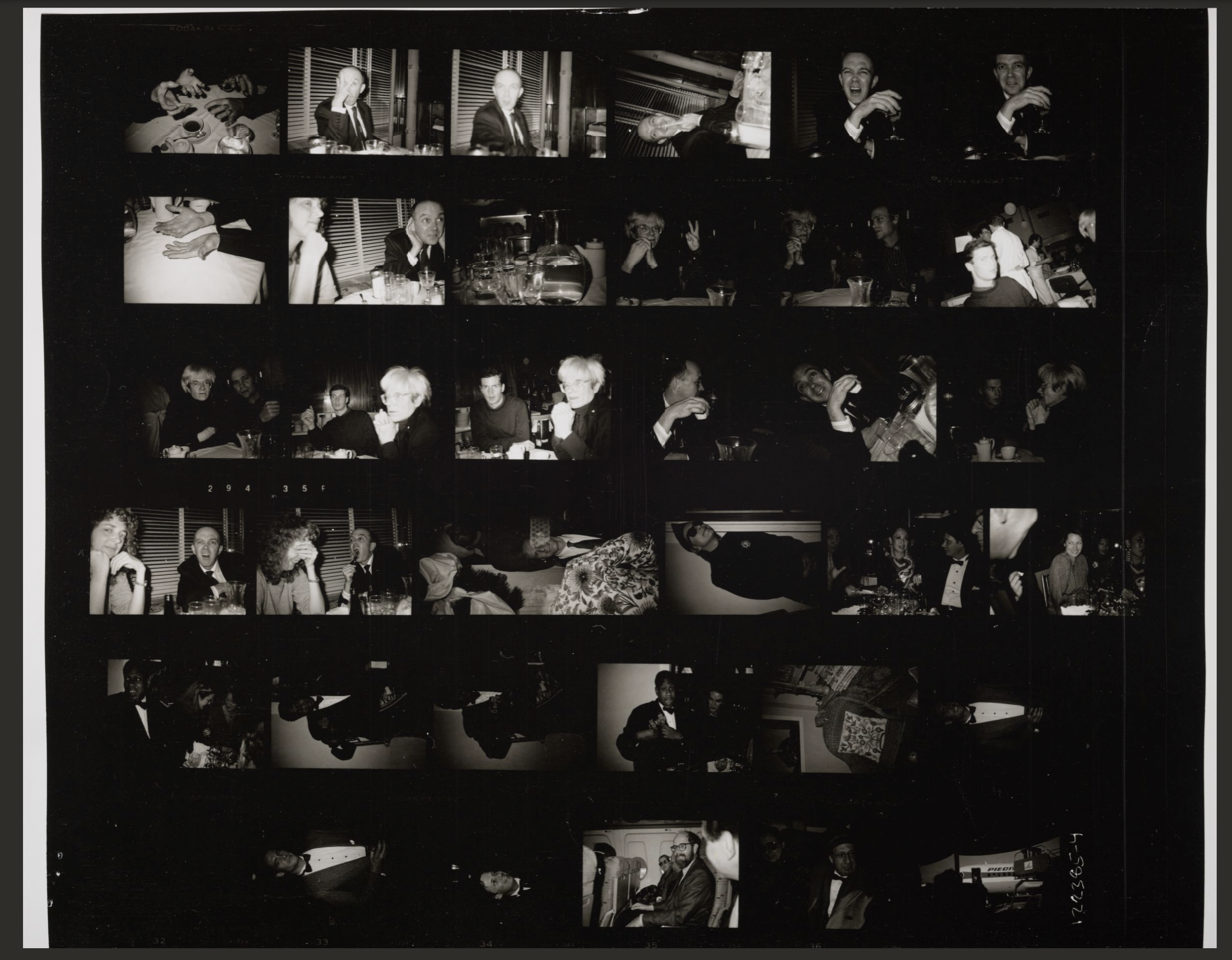
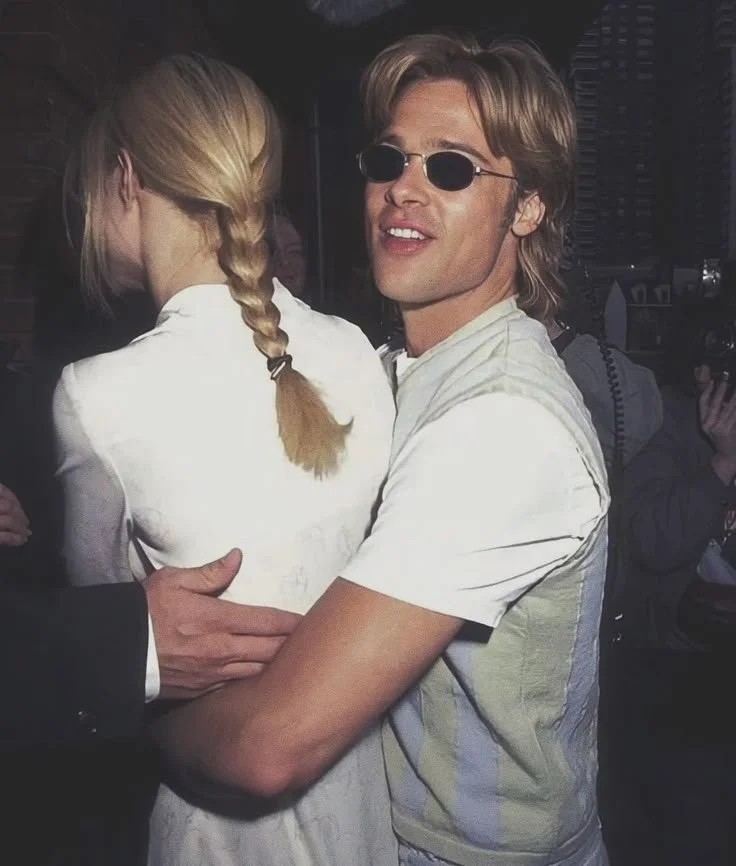
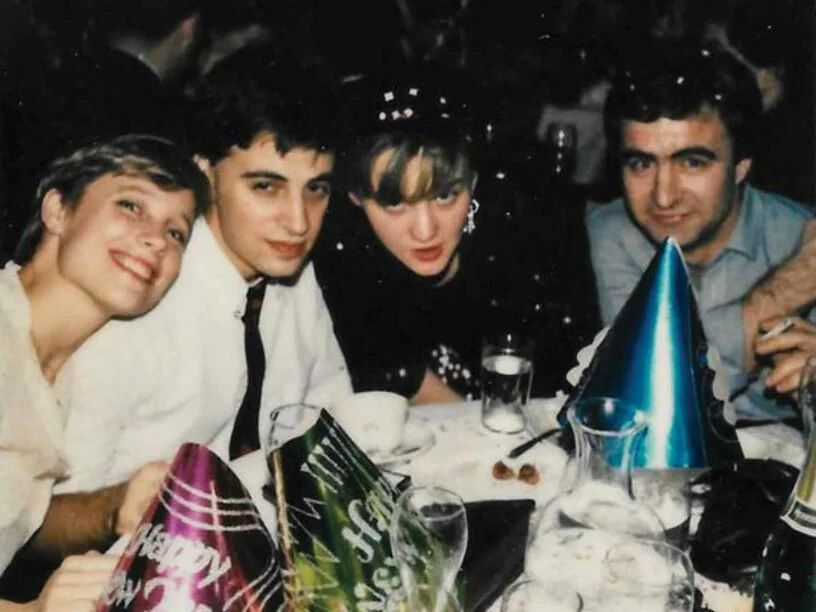
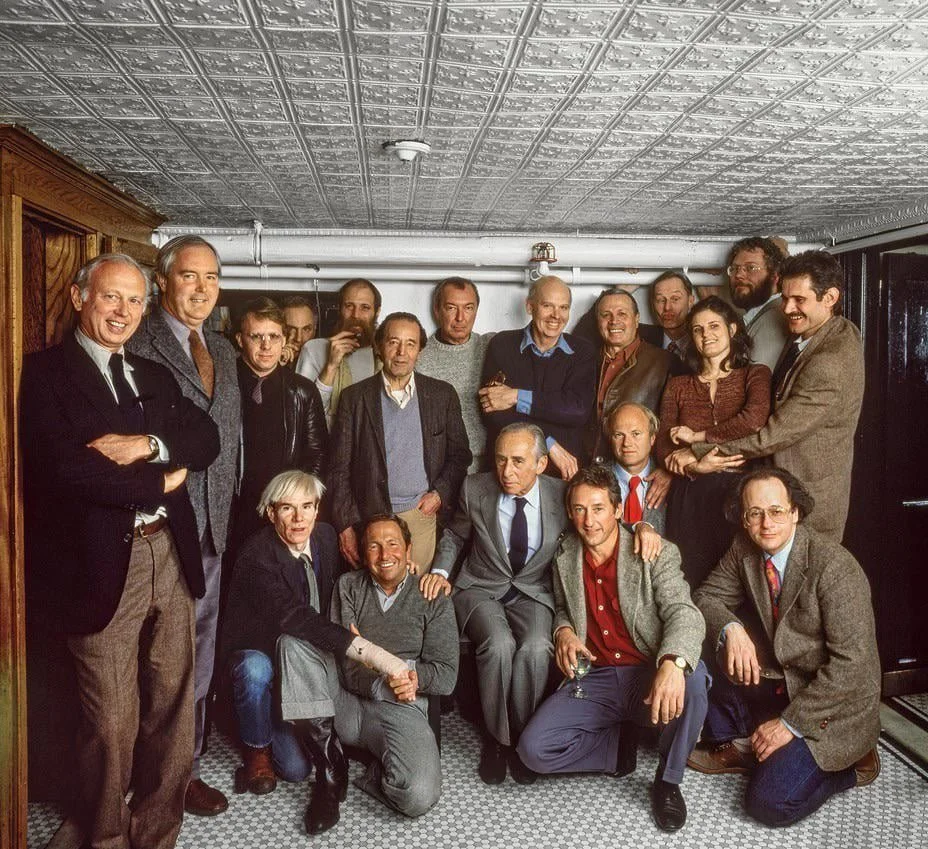
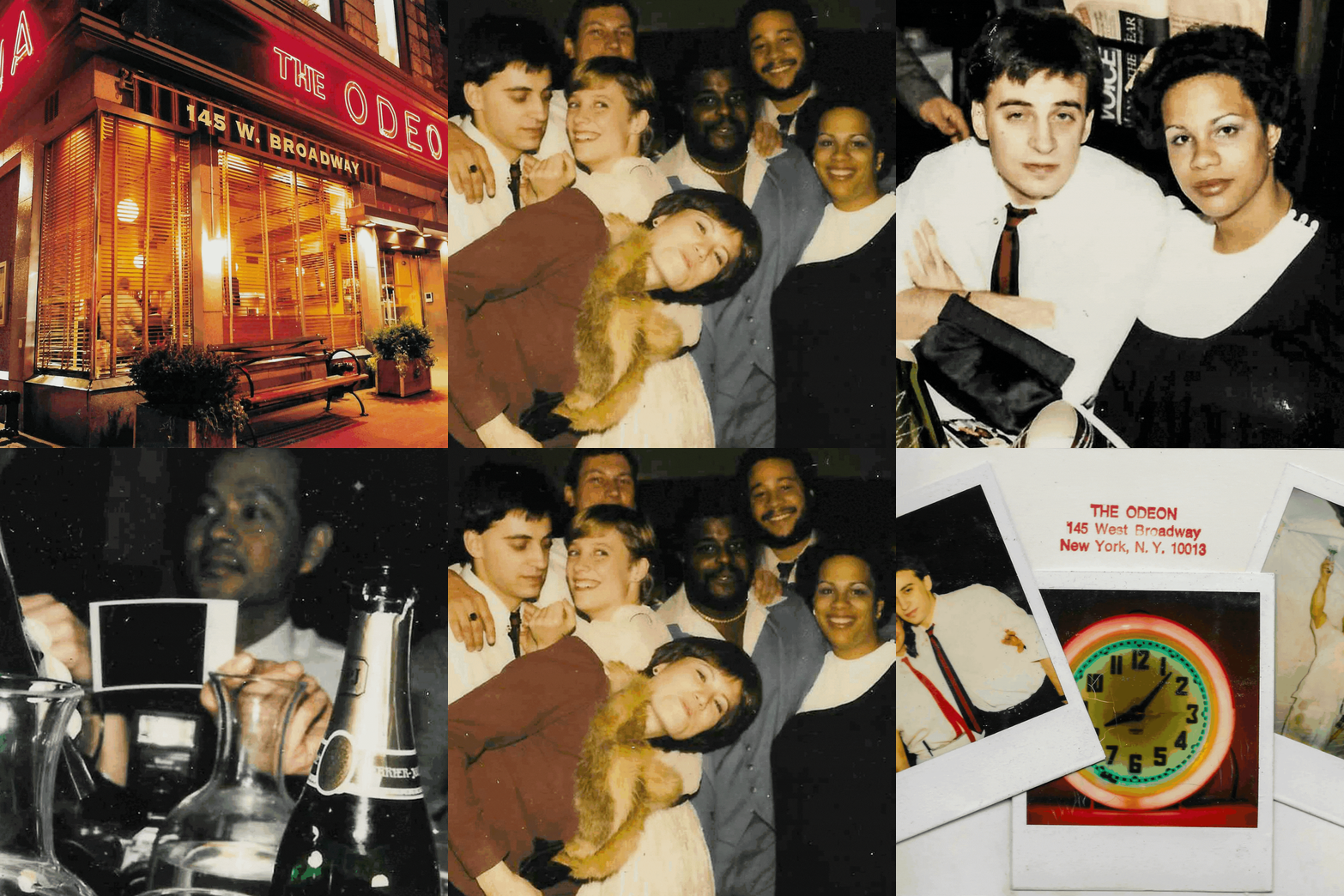
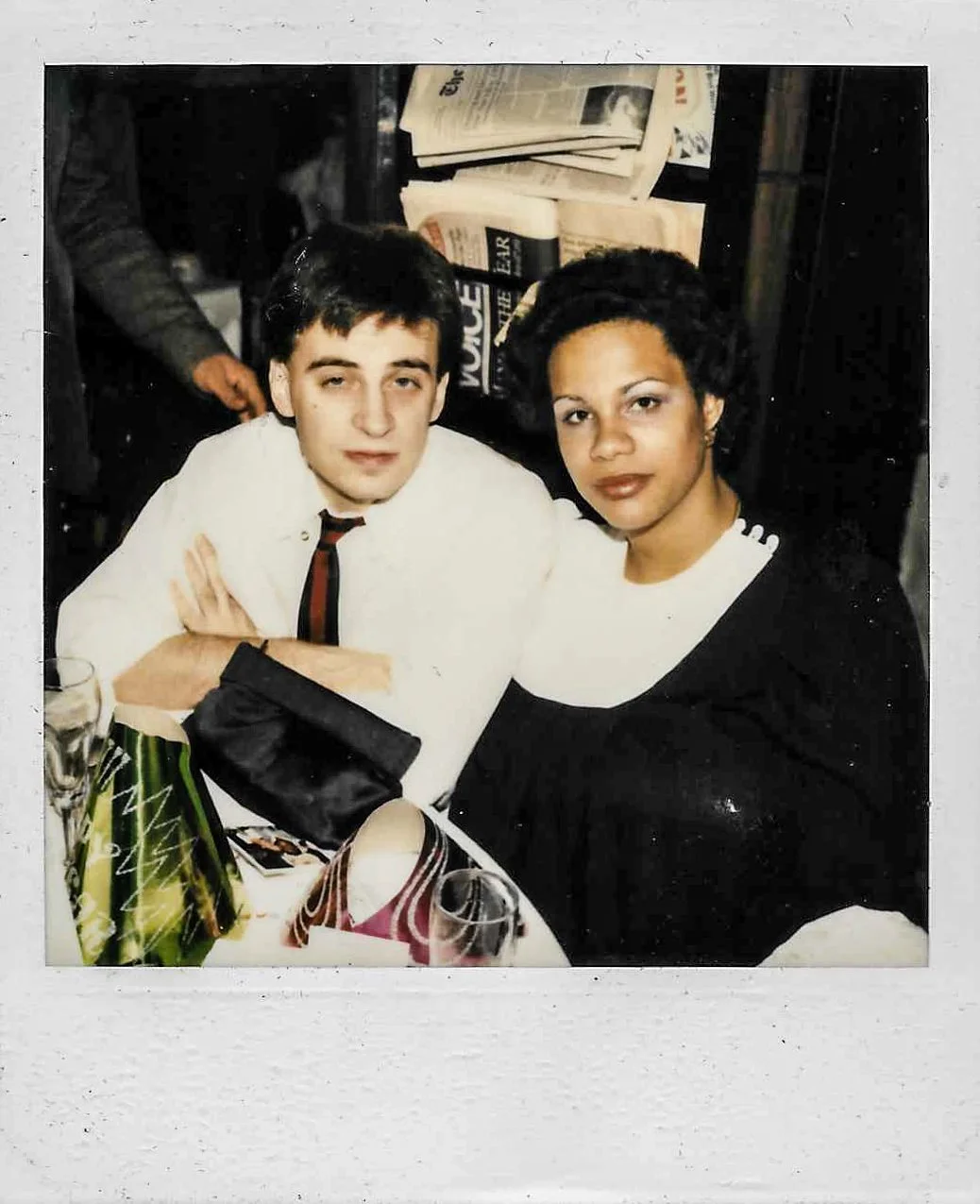
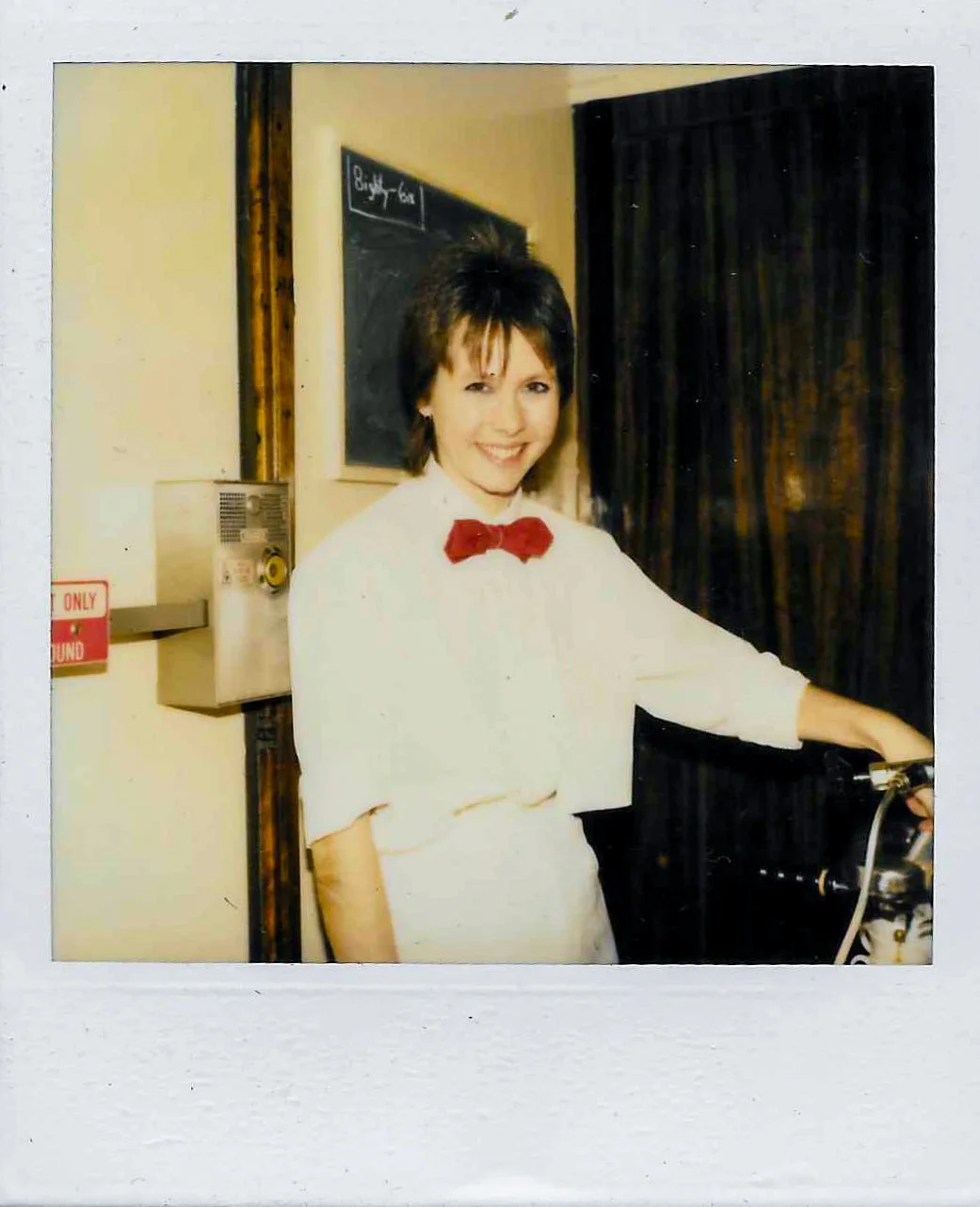
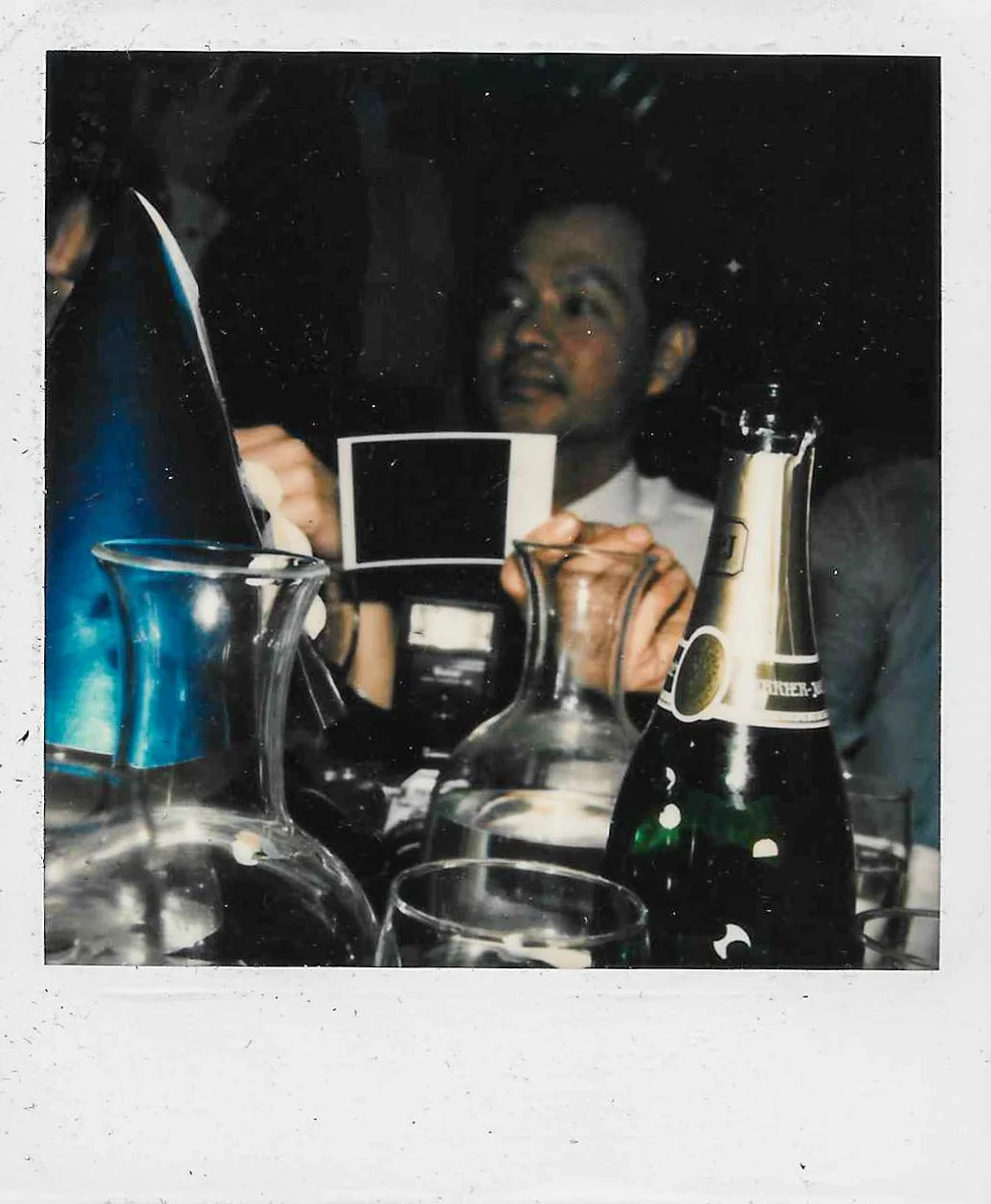
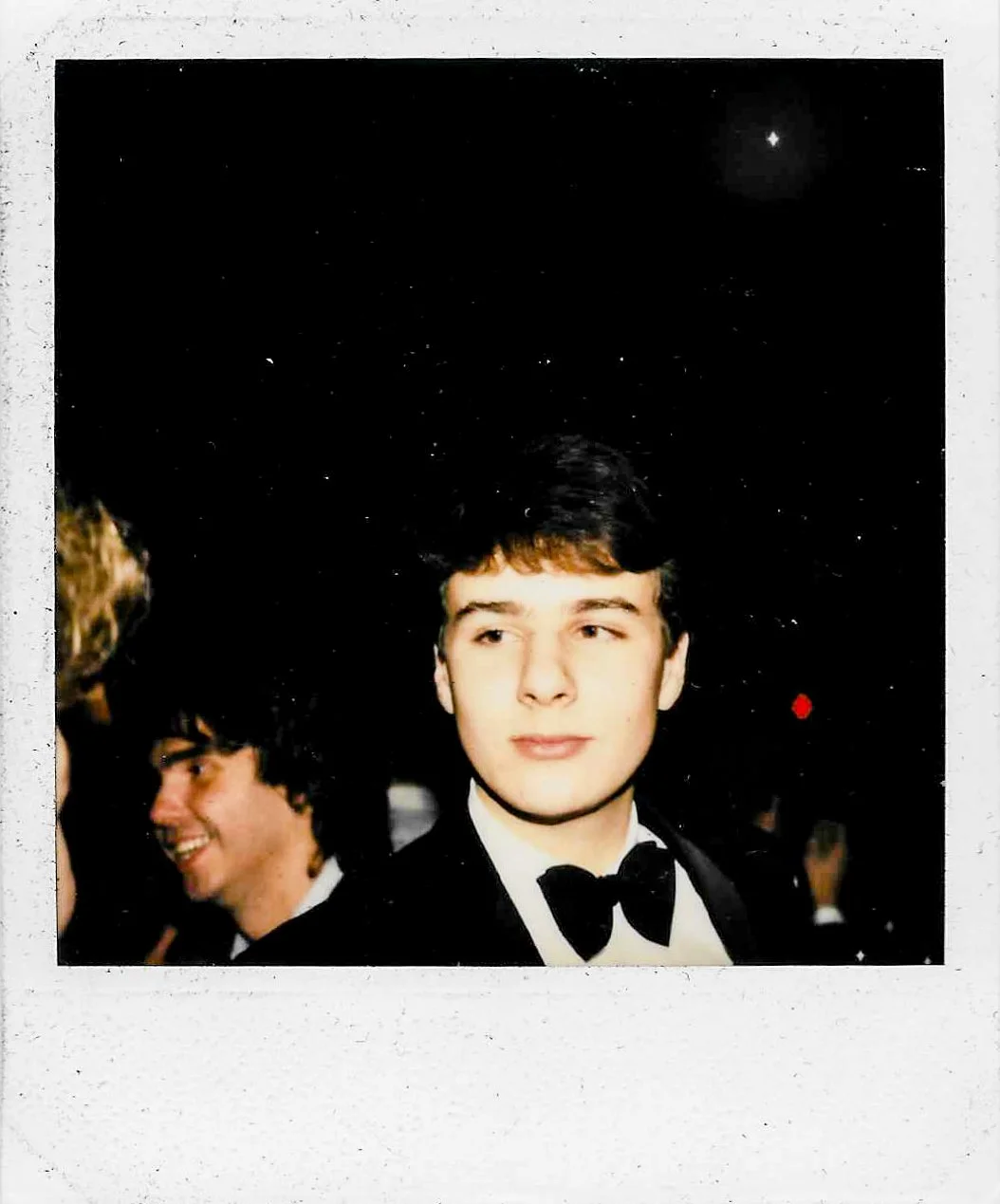
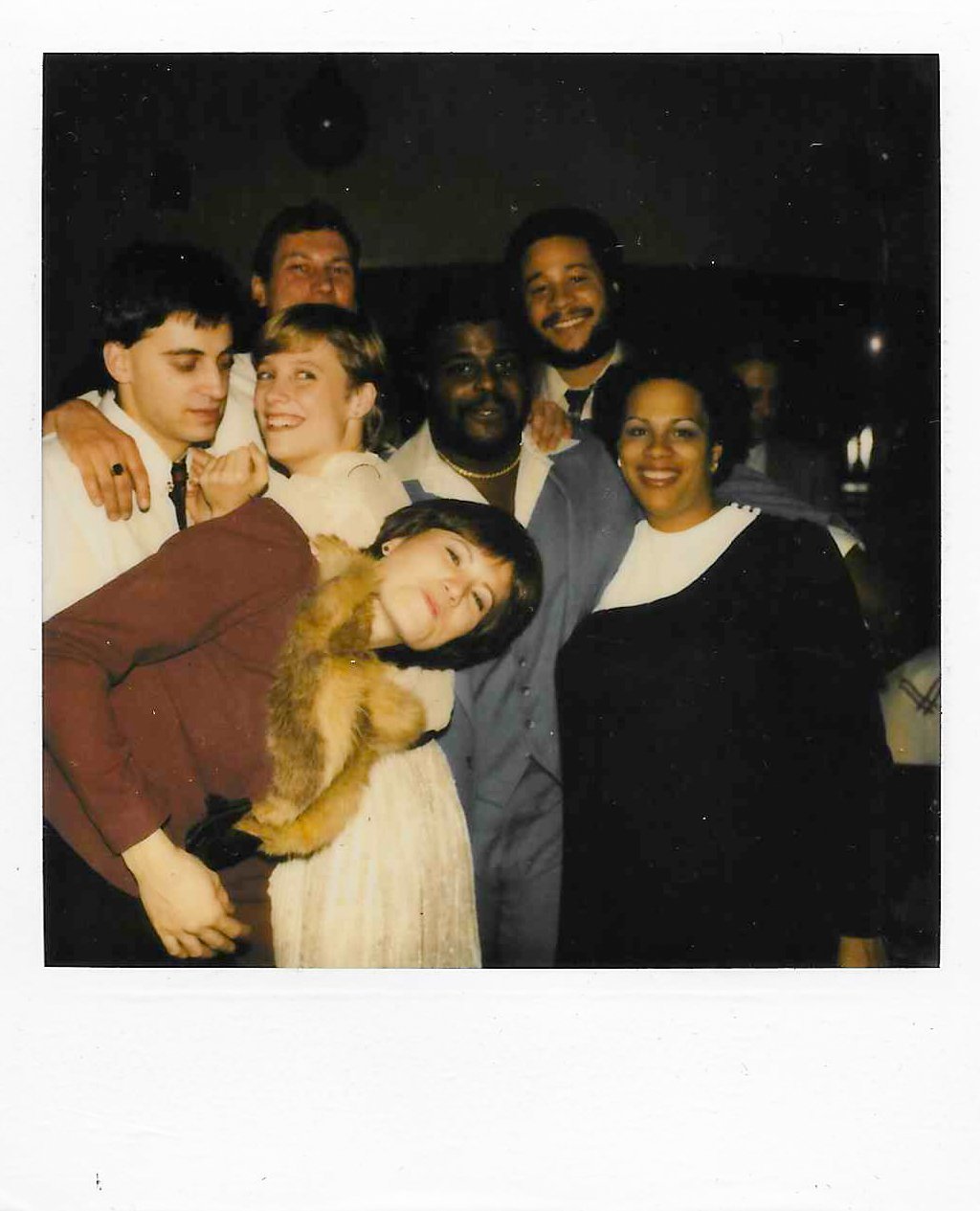
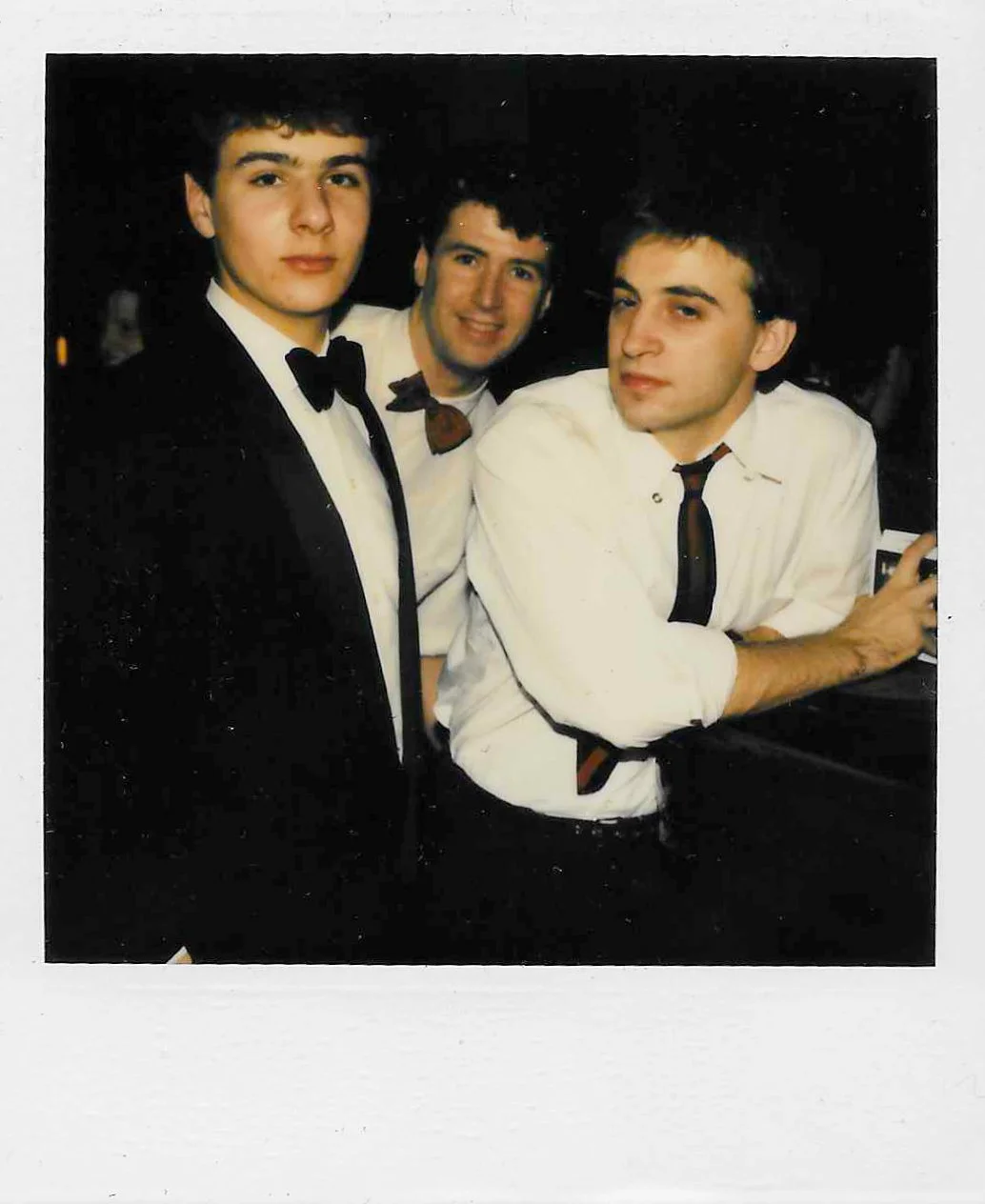
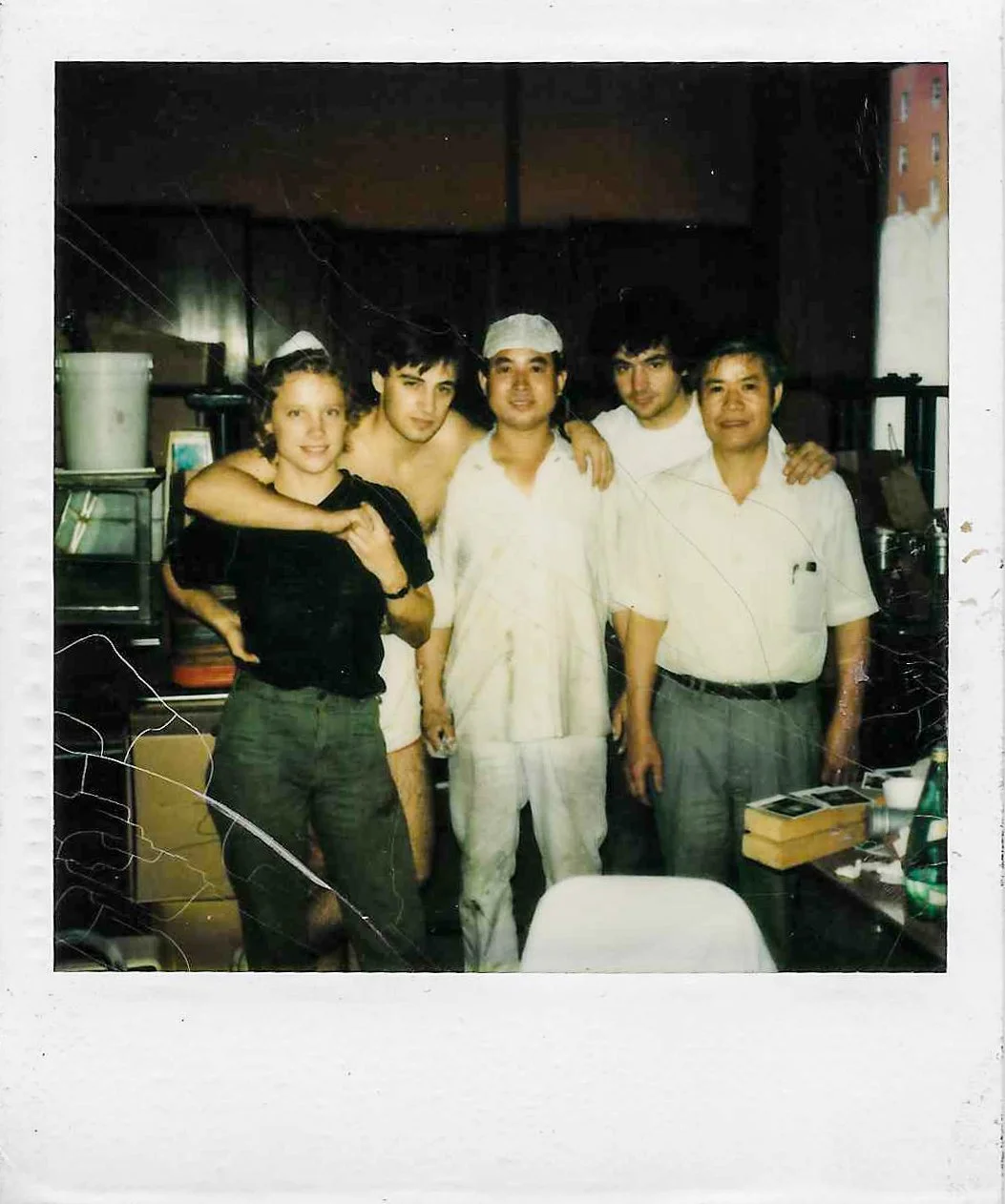
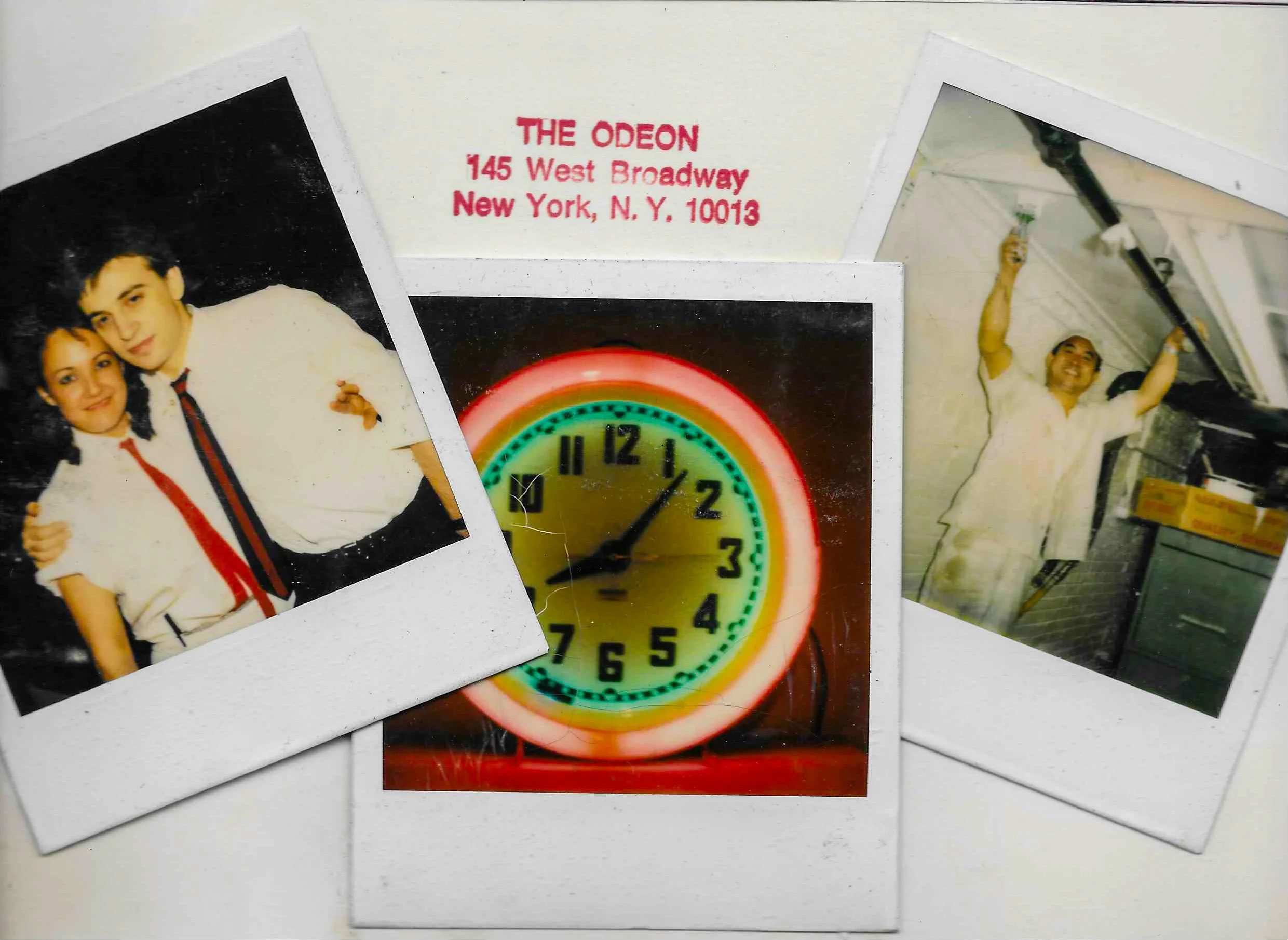
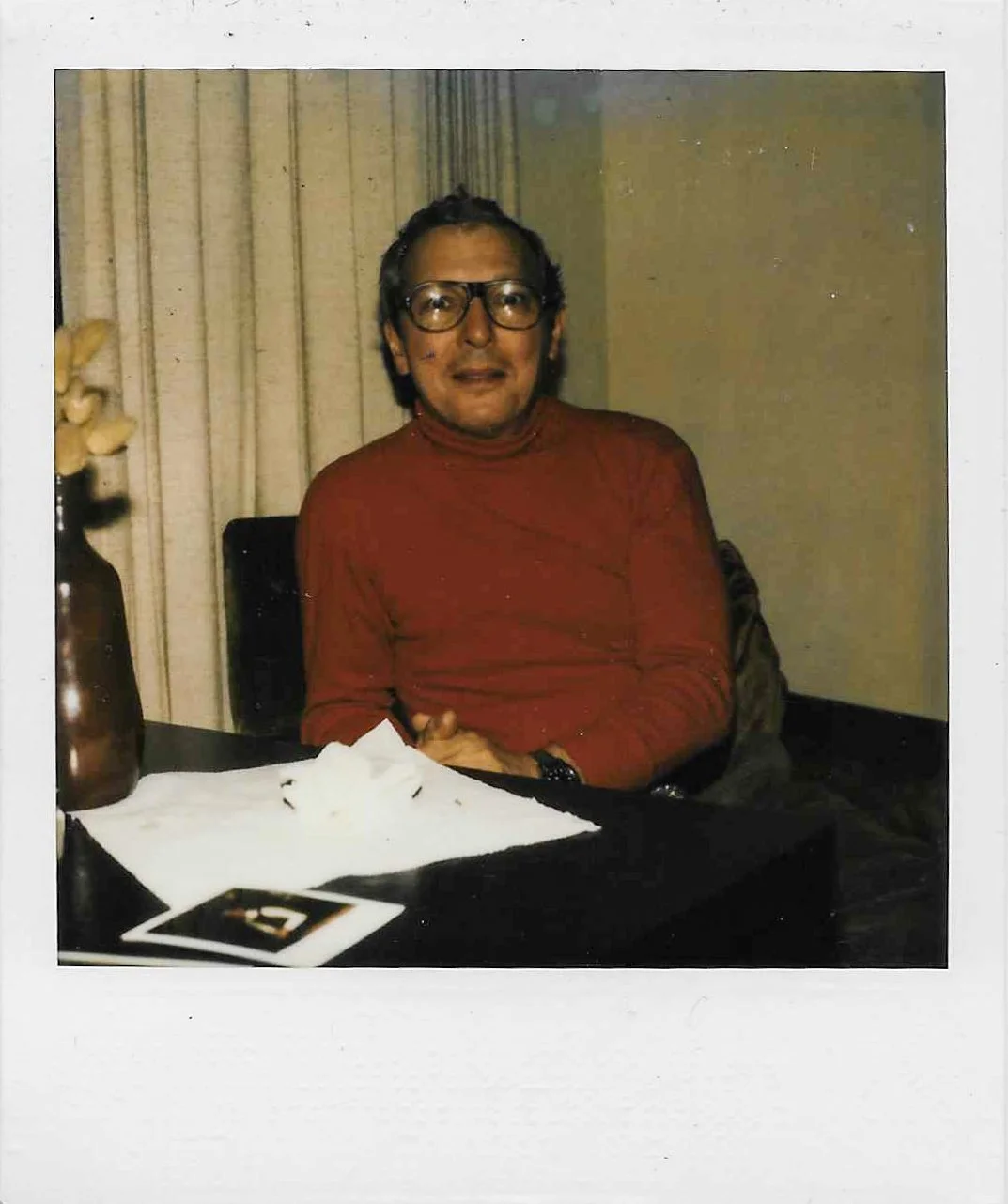
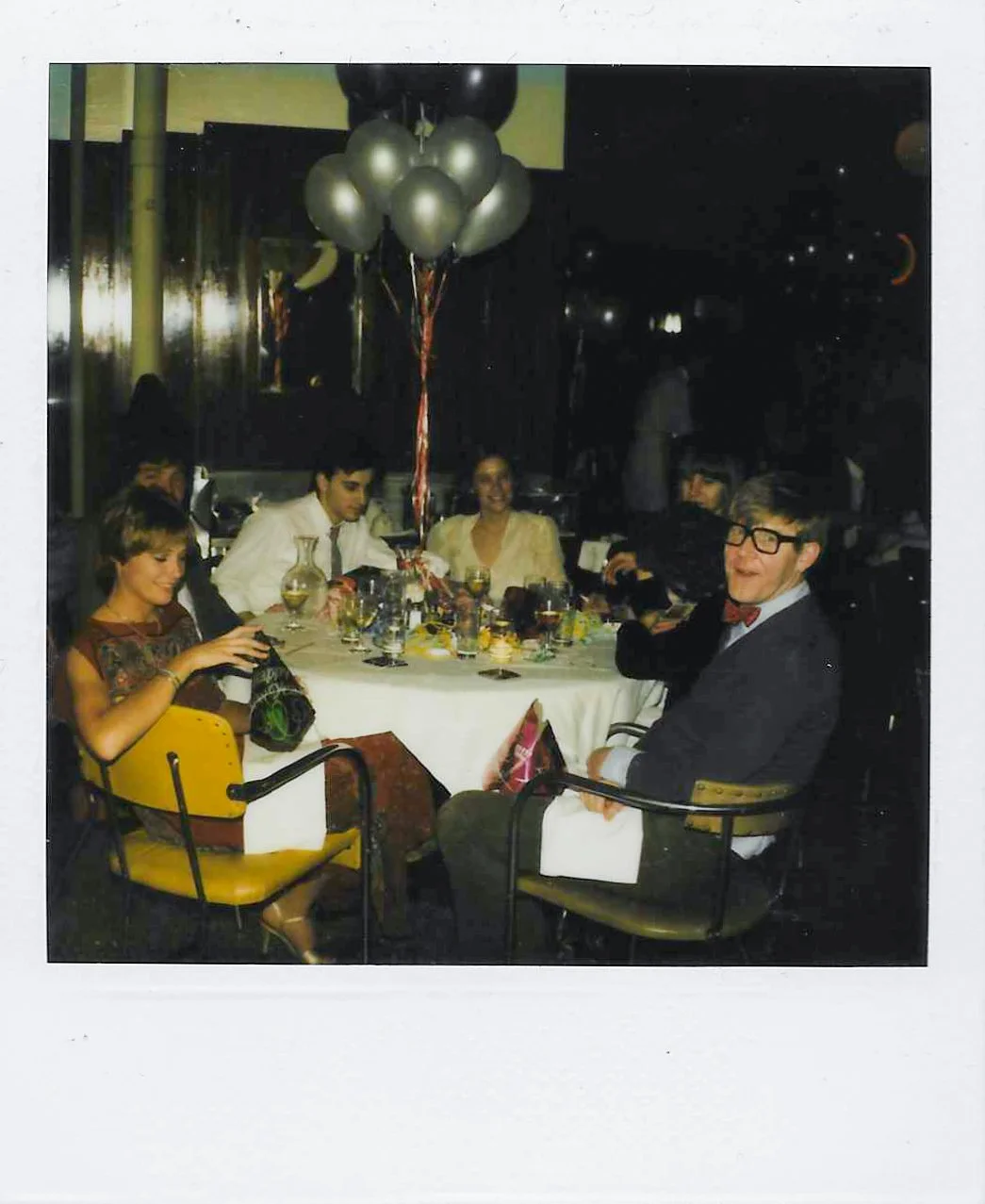
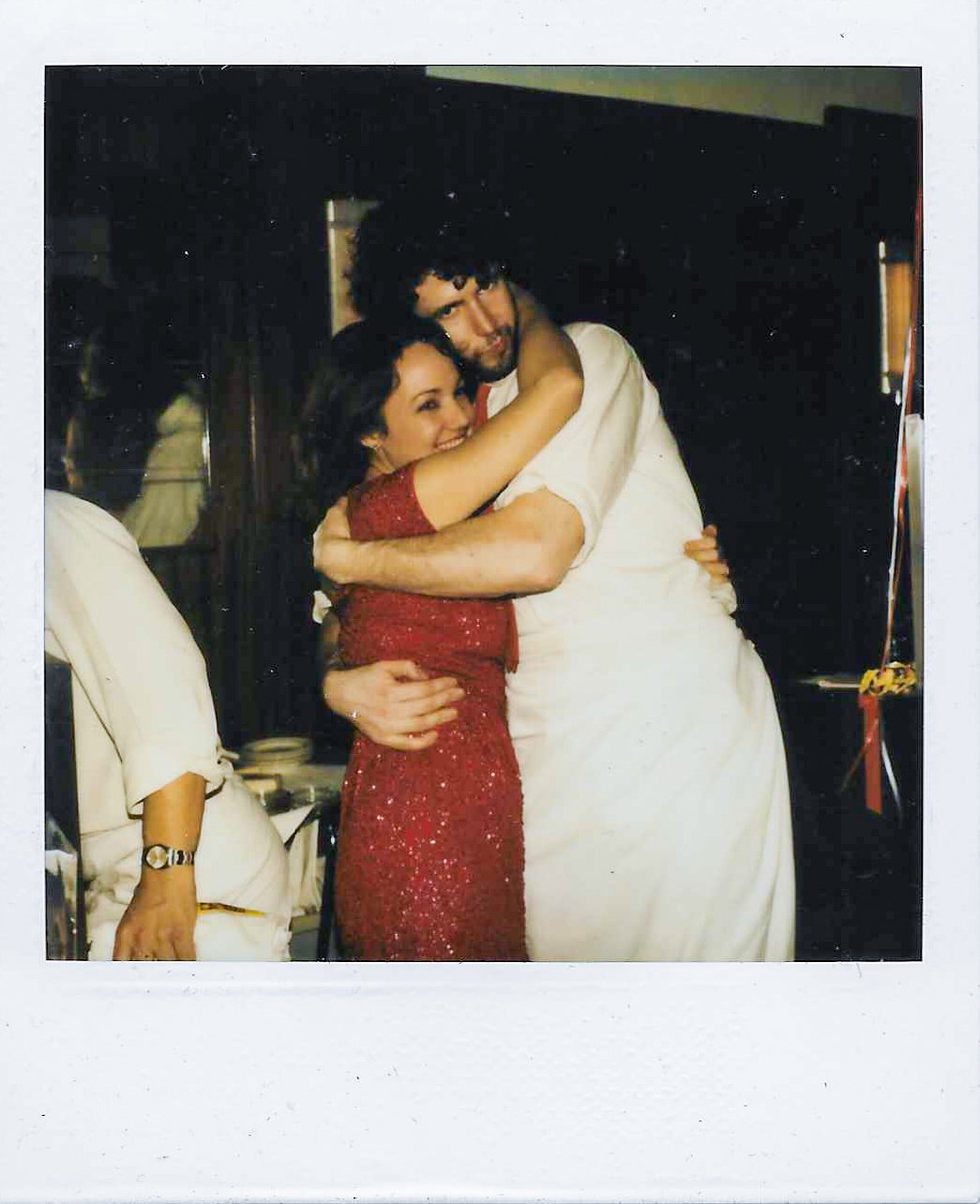
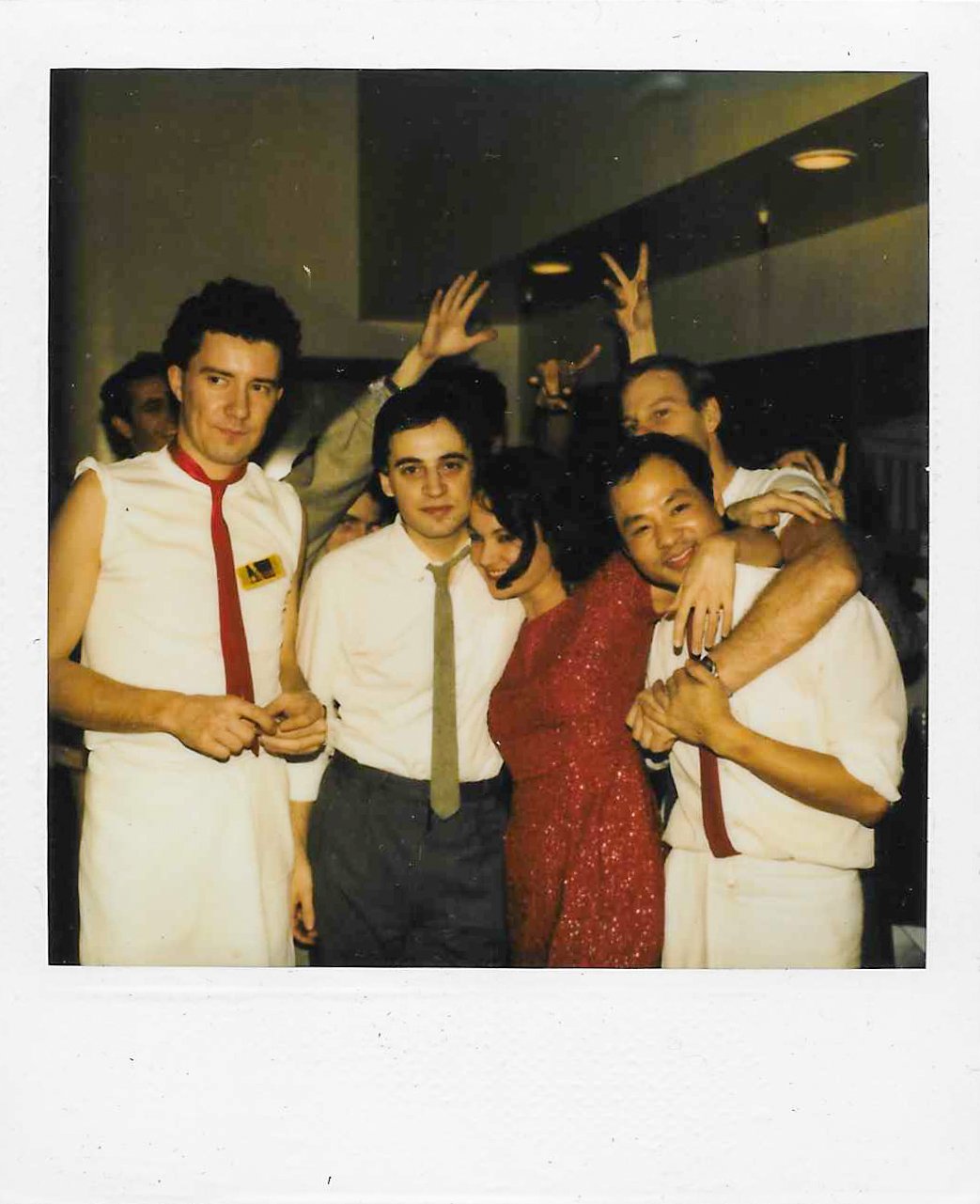
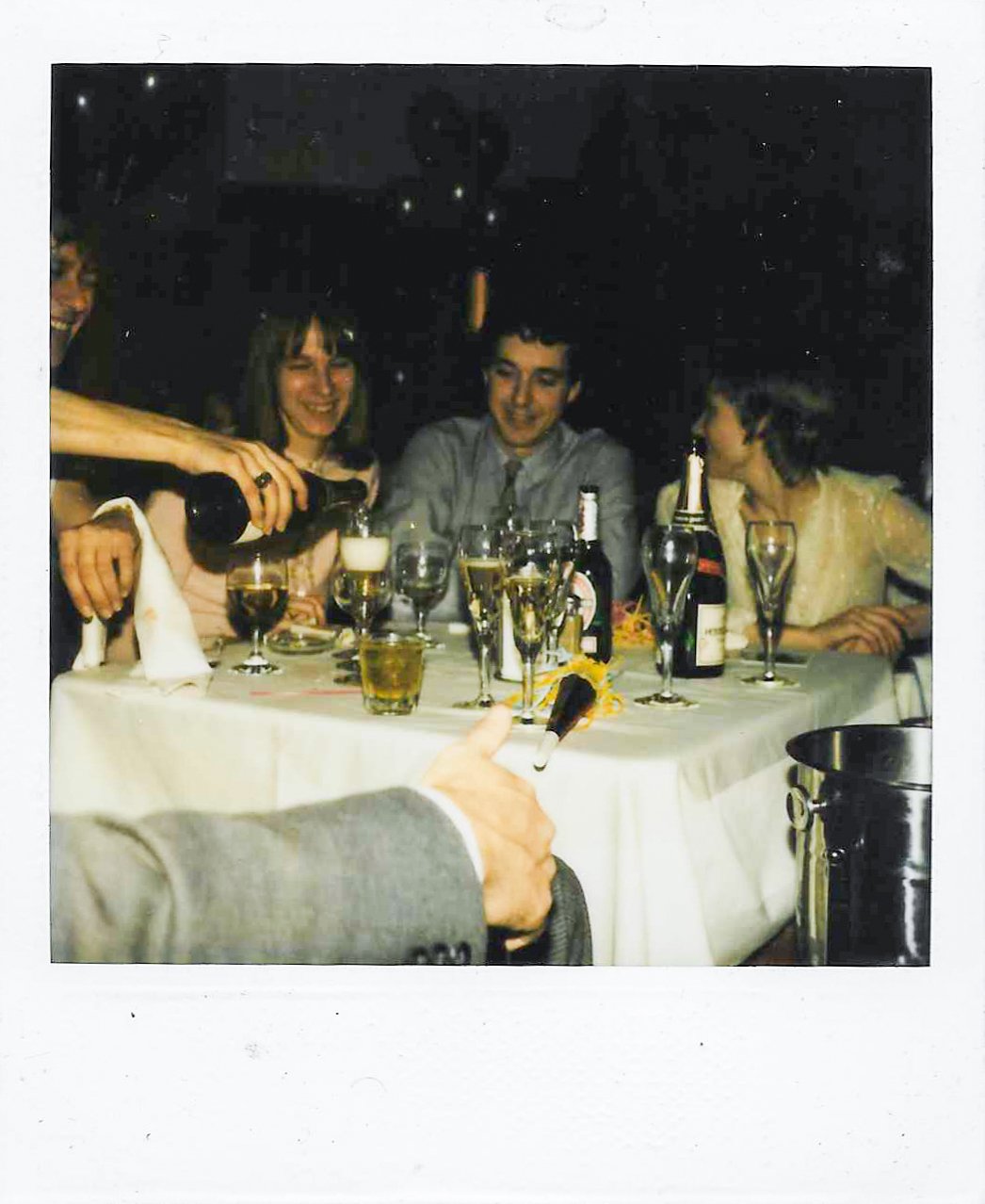
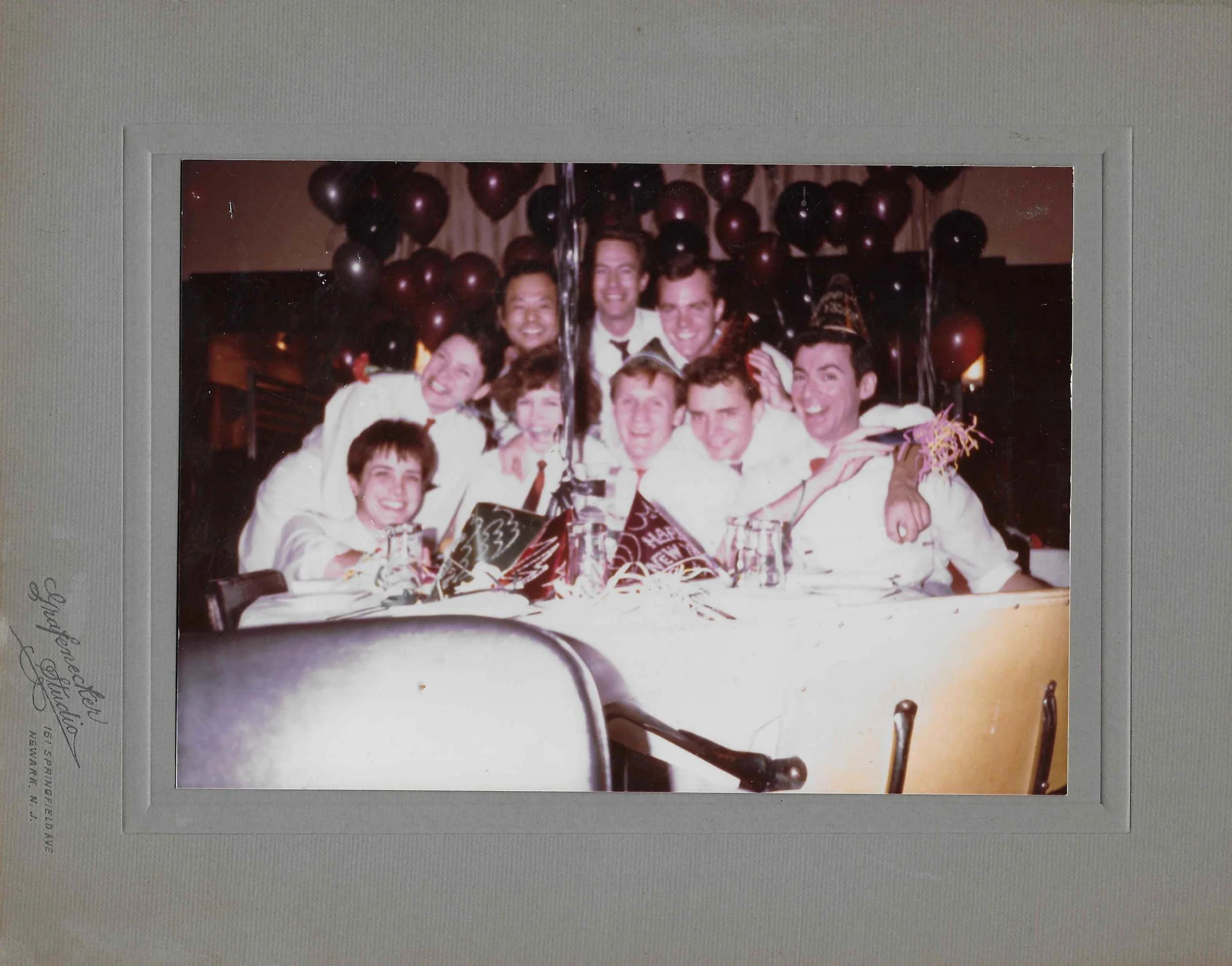
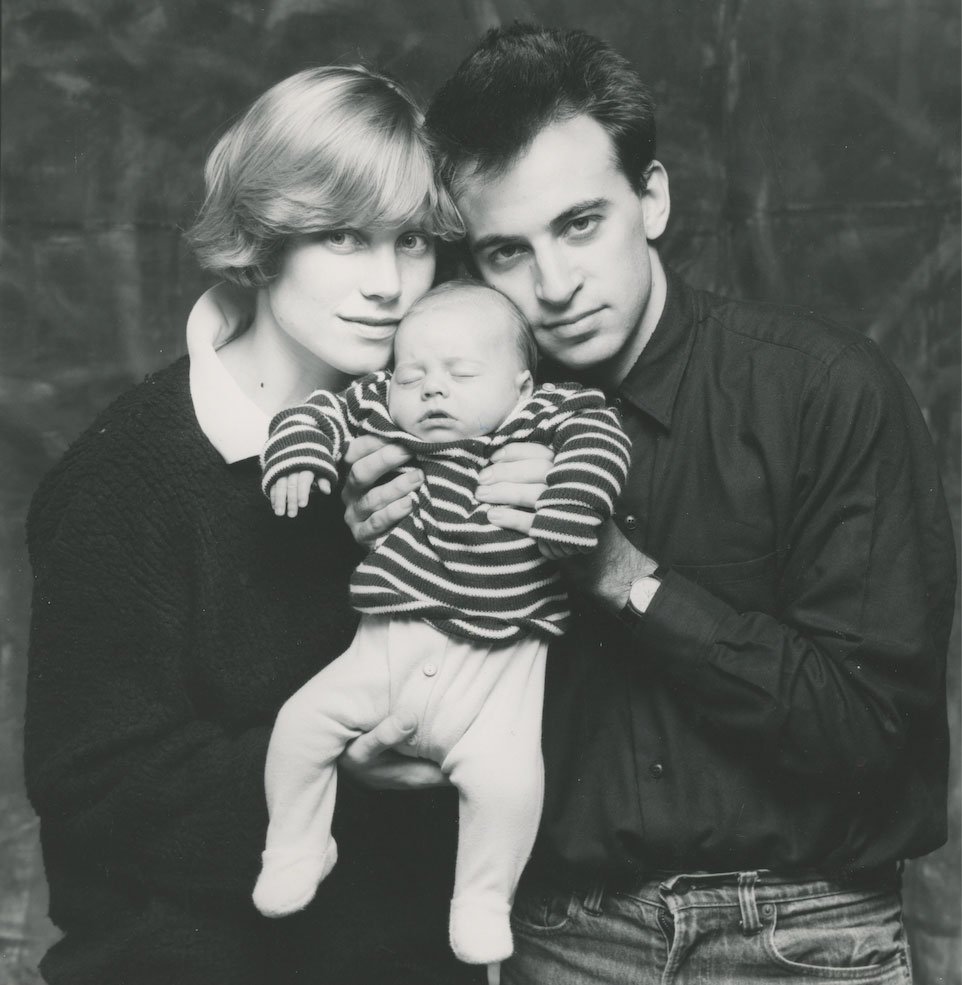
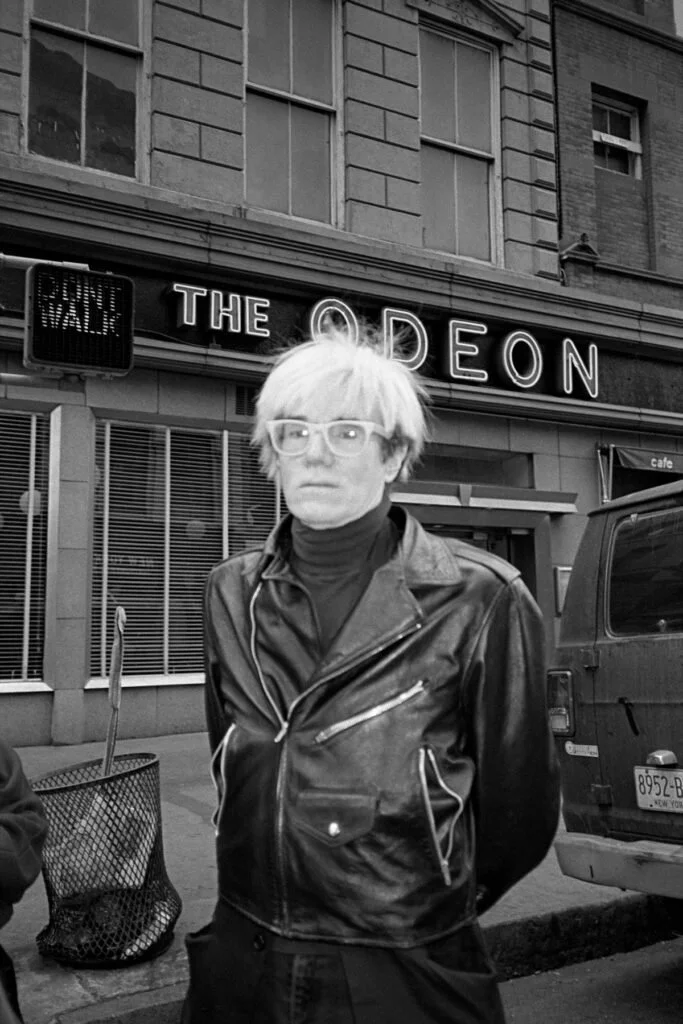
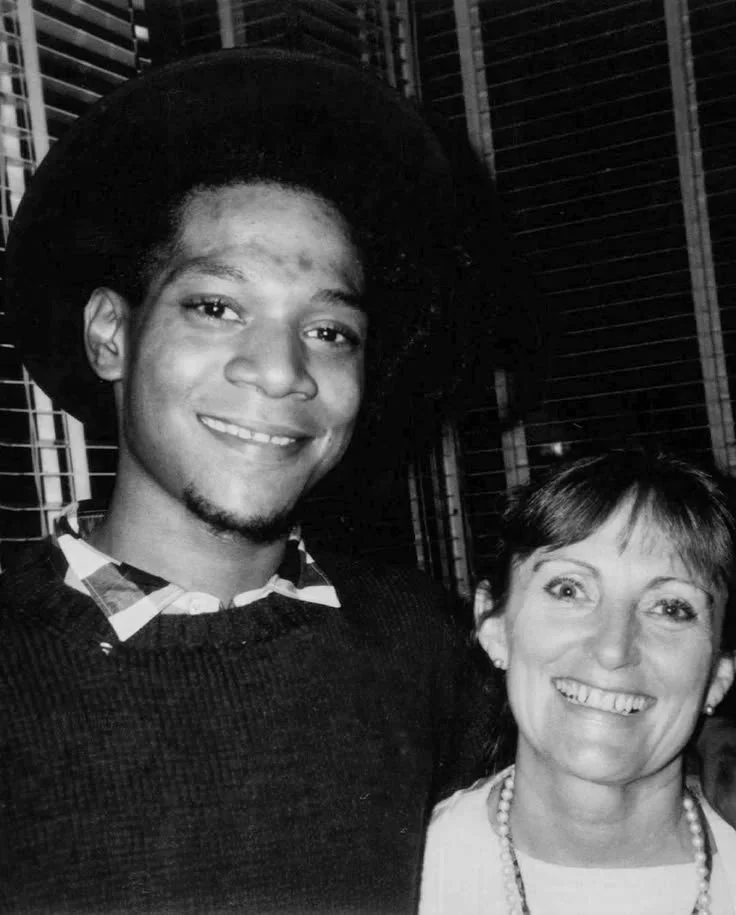
Second, to responsibly surface and structure a largely uncatalogued archive tied not only to the restaurant itself, but to a defining era of New York cultural life. Interviews and research uncovered original photographic materials, including negatives taken by Andy Warhol documenting figures such as Jean-Michel Basquiat, Leo Castelli, David Whitney, Jon Gould, Steve Rubell, and Ian Schrager, among others.
The challenge was not reinvention, but stewardship: how to evolve access while preserving aura. How to make history navigable without flattening it into nostalgia.
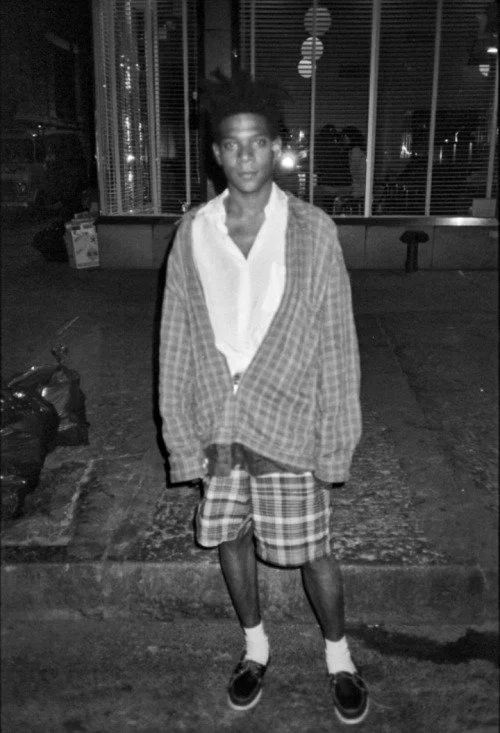
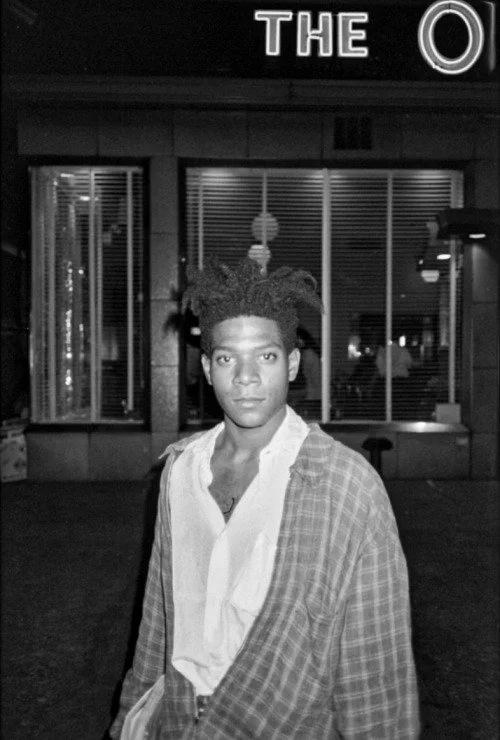
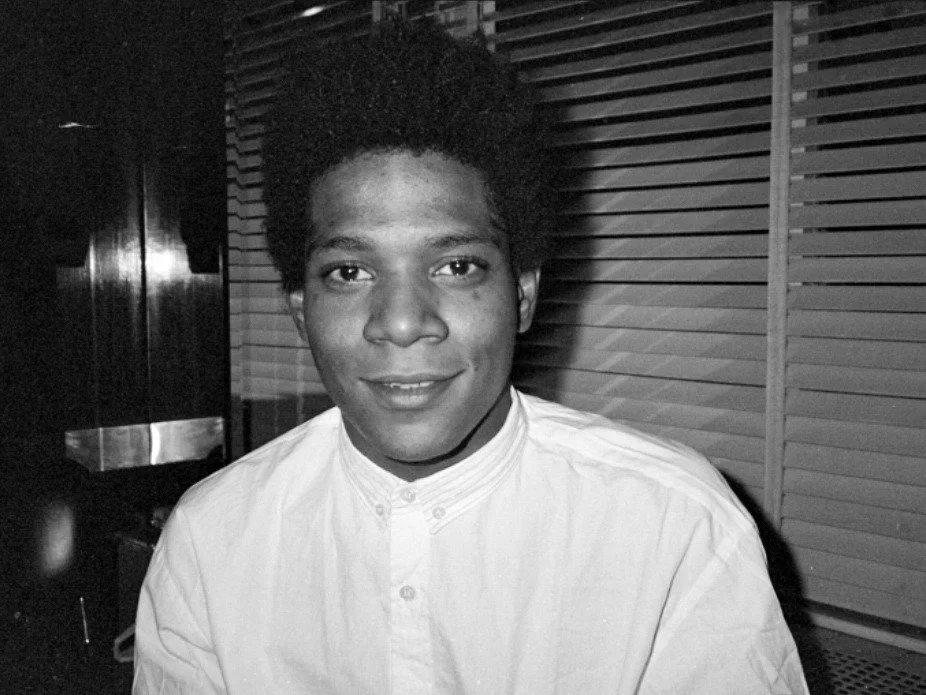
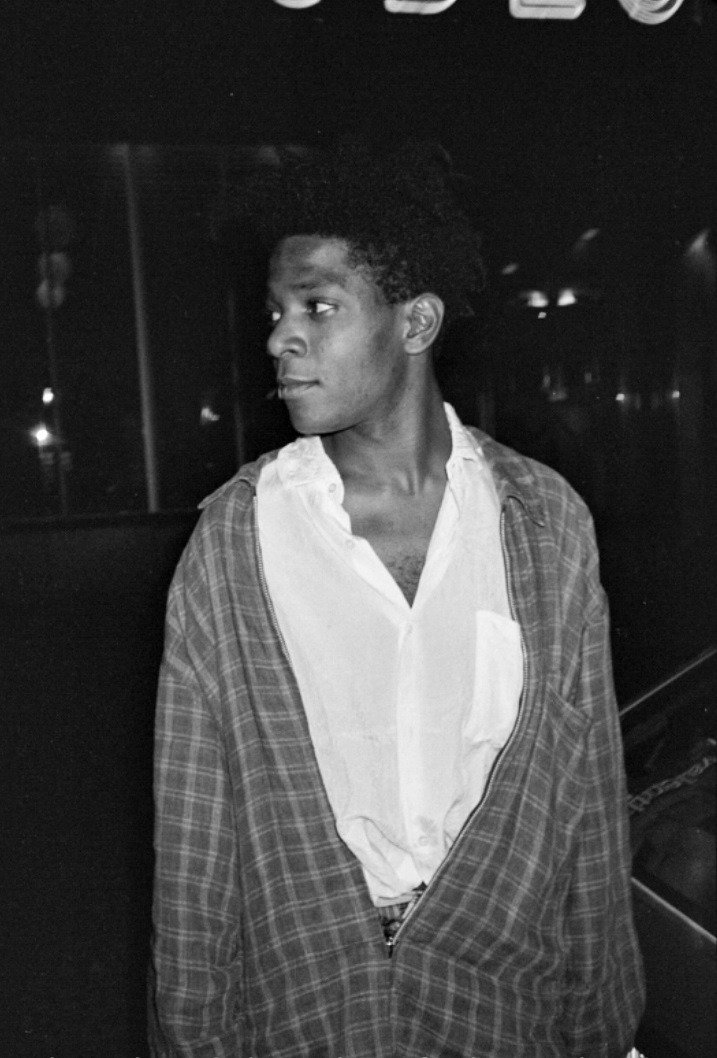
JEAN MICHELE BASQUIAT PHOTOGRAPHED BY ANDY WARHOL AT THE ODEON CIRCA JAN 1985
Solution
The strategic approach centered on continuity rather than disruption.
A new digital ecosystem was built from the ground up — aligning The Odeon’s online presence with the clarity, confidence, and cultural authority long embedded in its physical space. Functional systems (reservation pathways, social channels, and web architecture) were treated not as utilities, but as extensions of brand experience.
In parallel, the archival initiative became a defining creative pillar of the project.
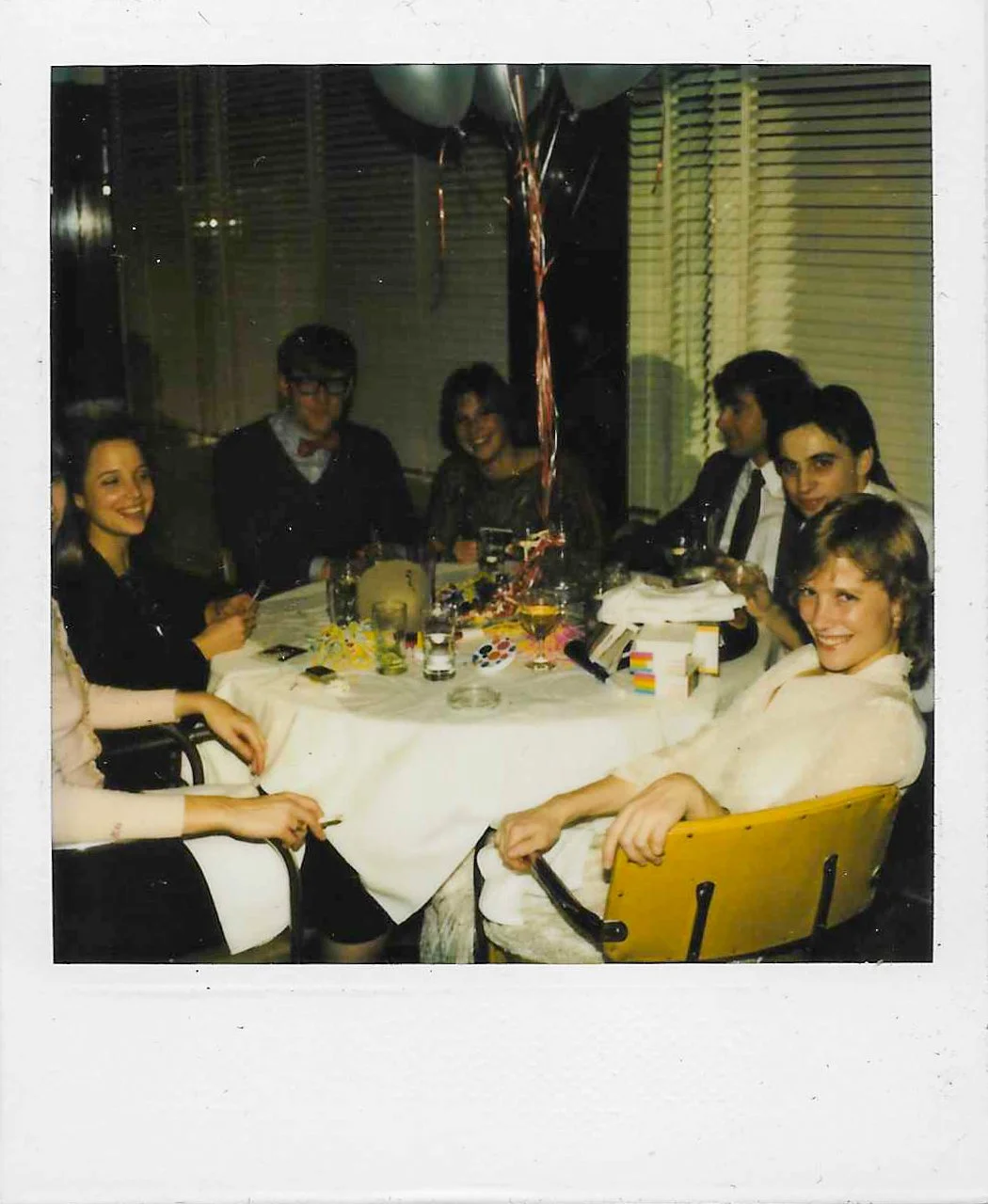
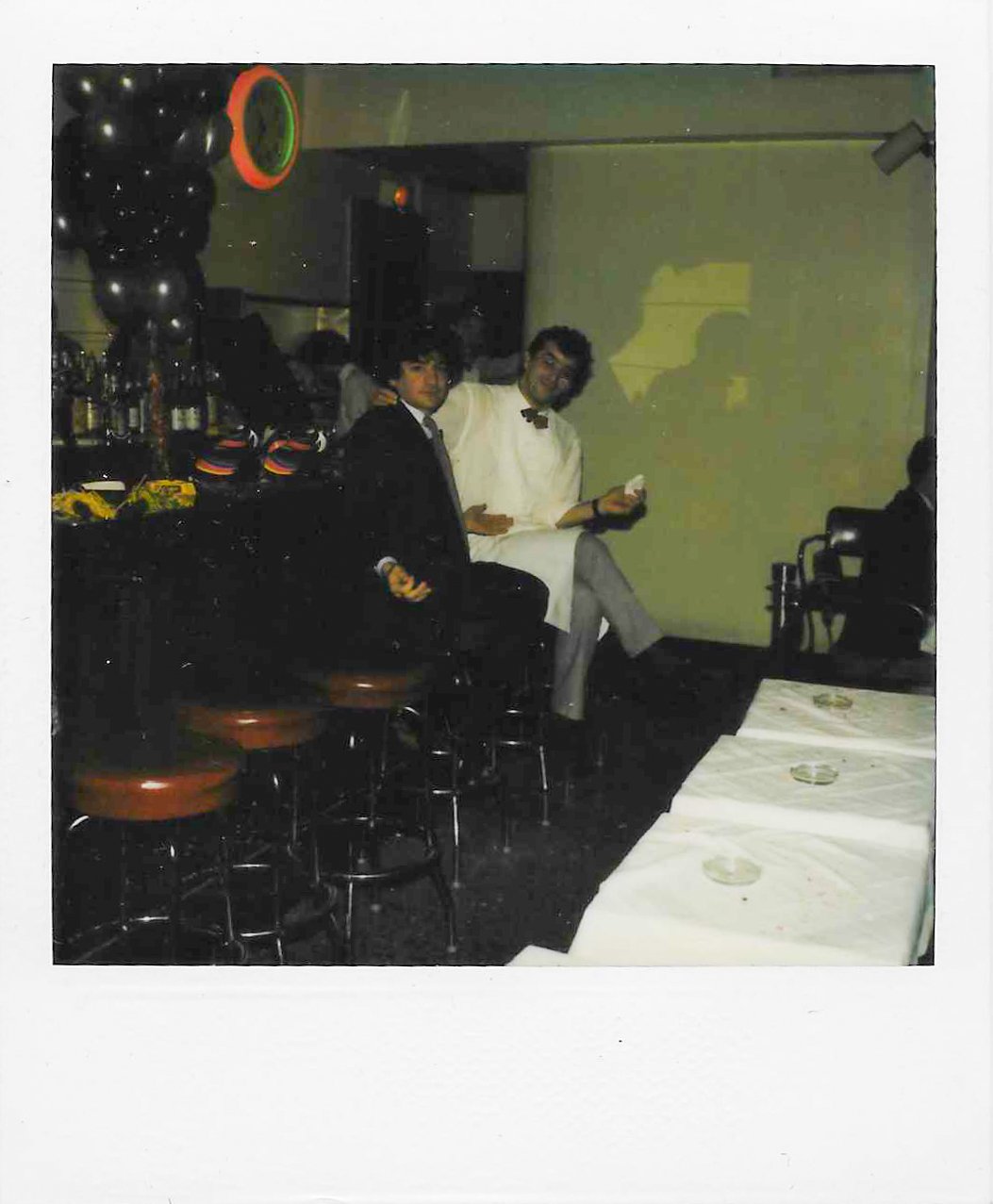
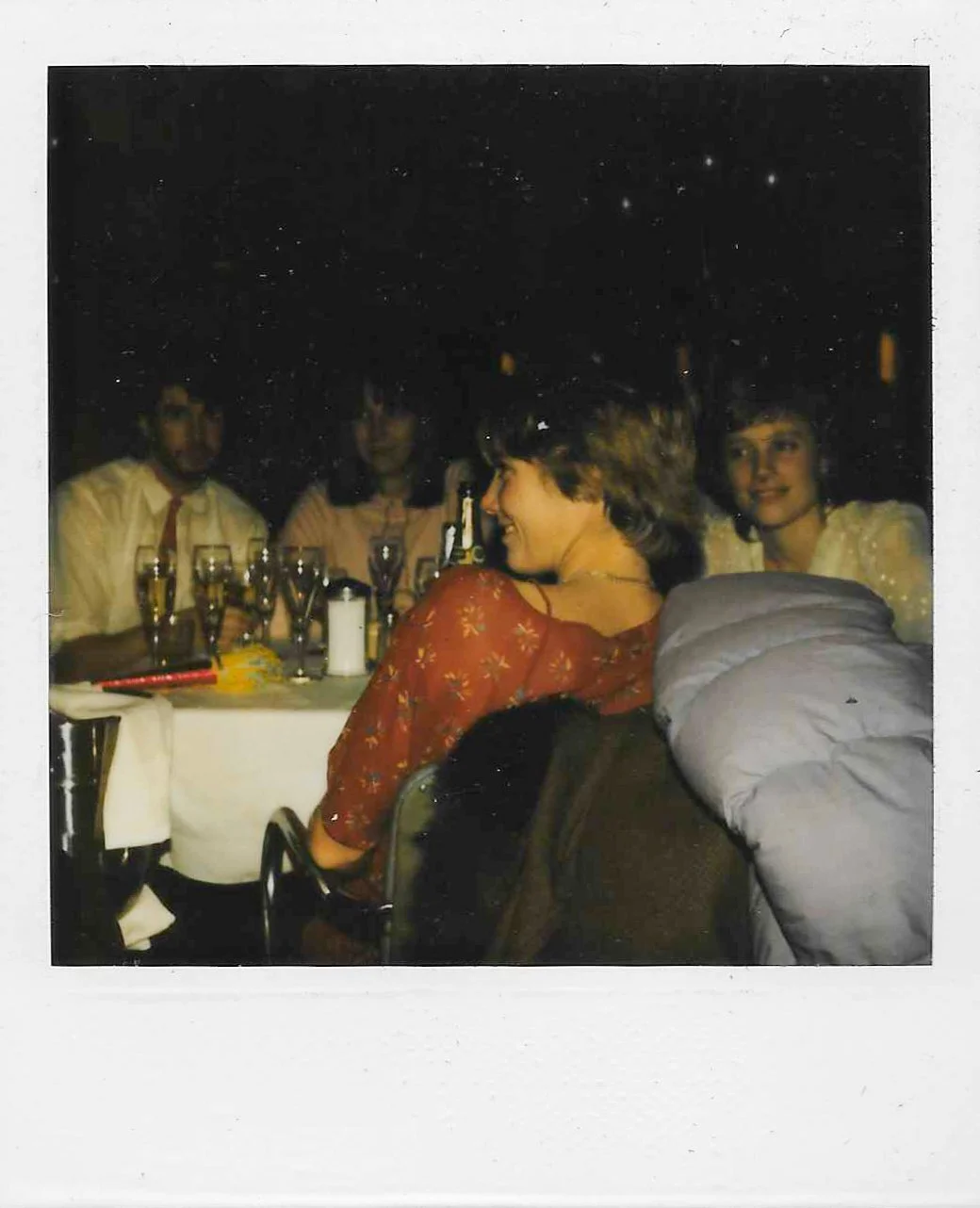
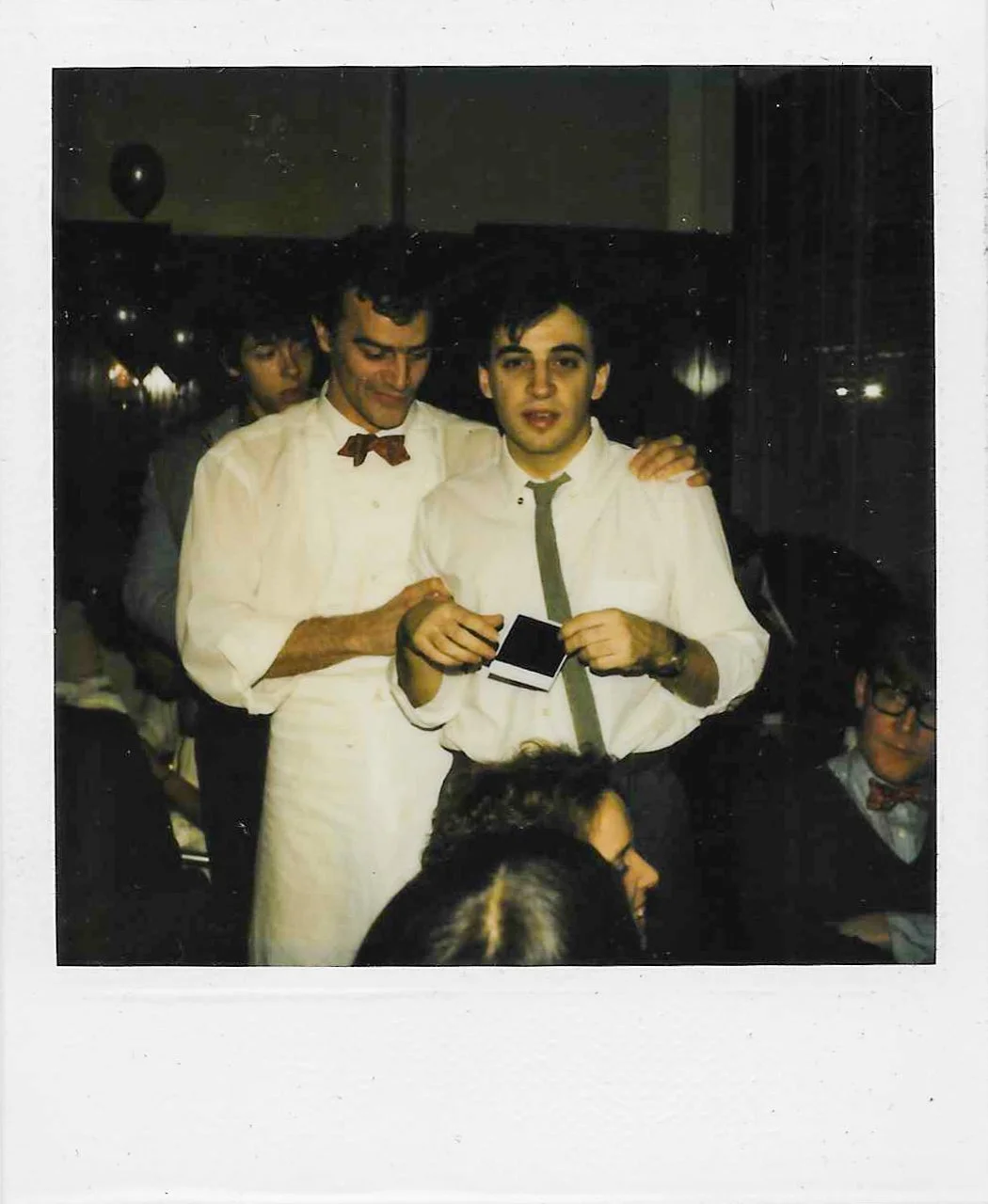
Rather than positioning history as anecdotal embellishment, the materials were approached as an active cultural record. Contact sheets, marked frames, and informal documentation revealed The Odeon not simply as backdrop, but as a recurring site of proximity — where creative and social networks overlapped in unguarded ways.
The resulting framework established:
A living digital presence built to meet contemporary expectations of access and usability
A structured visual archive that preserves authorship, context, and texture
A narrative positioning that reinforces The Odeon as an ongoing participant in cultural production, rather than a relic of it
The outcome was a modernization that did not seek to reinterpret the institution, but to clarify its continuity — ensuring that its presence remains legible both as a restaurant and as a longstanding node within New York’s creative history.

![[Dinner at the Odeon with Andy Warhol, Michael Heizer, David Whitney].png](https://images.squarespace-cdn.com/content/v1/6986fab3c6337862011f626d/1771284190205-UJM1TOCIYD1W2I4NJPR1/%5BDinner+at+the+Odeon+with+Andy+Warhol%2C+Michael+Heizer%2C+David+Whitney%5D.png)
![[The Odeon exterior; Jon Gould, Steve Rubell, and Ian Schrager in the Palladium under construction; Benjamin Liu as Ming Vause; Cornelia Guest].png](https://images.squarespace-cdn.com/content/v1/6986fab3c6337862011f626d/1771284191170-HRJ32EV5UL09ILRZWD6W/%5BThe+Odeon+exterior%3B+Jon+Gould%2C+Steve+Rubell%2C+and+Ian+Schrager+in+the+Palladium+under+construction%3B+Benjamin+Liu+as+Ming+Vause%3B+Cornelia+Guest%5D.png)